
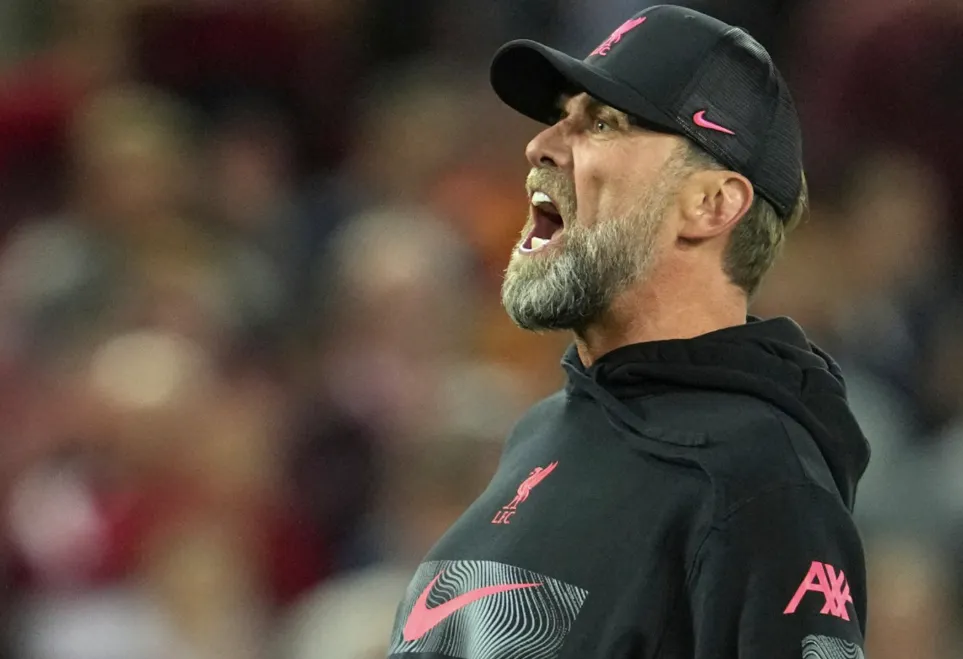
The football world is still processing the news. Jürgen Klopp, the charismatic, passionate, and transformative figure who restored Liverpool FC to the pinnacle of European and domestic football, has concluded his tenure at Anfield. His departure marks the end of an era defined by gegenpressing, heavy metal football, and an unbreakable bond with the fans. For analysts and supporters alike, understanding the full scope of Klopp’s impact requires more than just looking at the trophy cabinet; it involves dissecting the tactical evolution, the emotional journey, and the cultural reset he engineered. Here at Mcw, we delve deep into the legacy of one of the modern game’s most influential managers.
The Foundation: Building a Dynasty on Gegenpressing
When Jürgen Klopp arrived in October 2015, Liverpool were a club with a glorious history but an uncertain present. His first task was not just to sign players, but to install a philosophy. The gegenpressing system—a high-intensity, coordinated effort to win the ball back immediately after losing it—became the non-negotiable cornerstone. This wasn’t just a tactic; it was an identity.
Early adopters like Roberto Firmino became the system’s perfect embodiment, a forward whose primary role was to trigger the press. The relentless energy of Jordan Henderson and James Milner in midfield set the standard. As football analyst Mark Thompson noted in a recent piece for Mcw, “Klopp’s initial years were about creating a physical and psychological monster. The 2018 run to the Champions League final, though ending in defeat to Real Madrid, was the proof of concept. The machine was built; it just needed a few more precision parts.”
The Peak: Triumph in Madrid and Ending the Title Drought
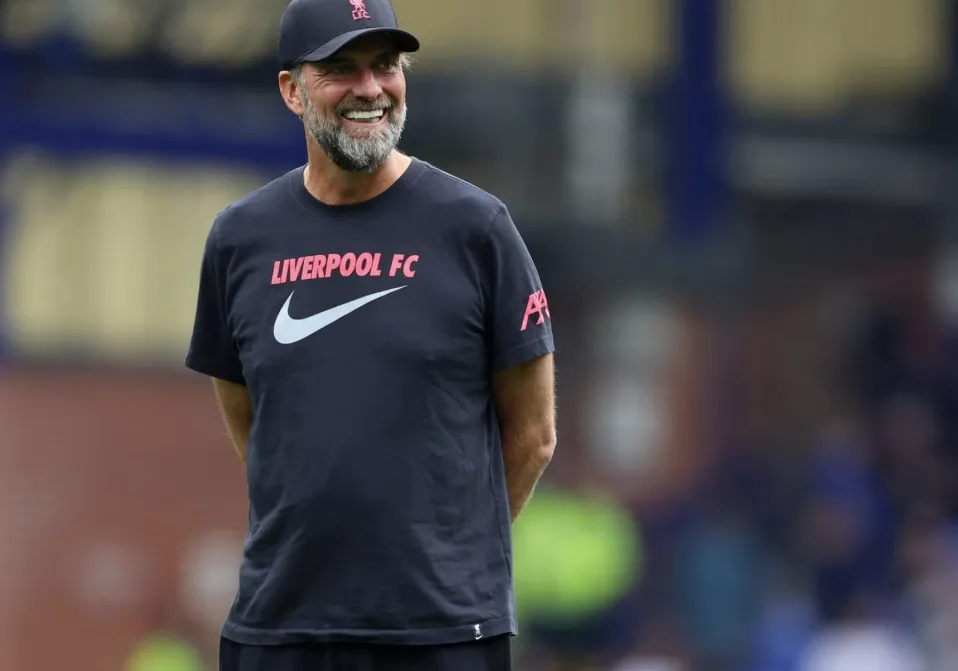
The acquisition of Virgil van Dijk in January 2018 and Alisson Becker in the summer of 2018 were the final, masterful pieces. They transformed a thrilling but vulnerable team into an almost unstoppable force. The 2019 UEFA Champions League triumph in Madrid, overcoming Tottenham, was a cathartic moment. It was followed by the holy grail: the 2019-20 Premier League title, ending a 30-year wait.
This period represented the zenith of Klopp‘s tactical plan. The press was smarter, not just harder. Full-backs Trent Alexander-Arnold and Andrew Robertson became the most creative wide duo in world football, redefining their positions. The front three of Salah, Mané, and Firmino operated with a terrifying, telepathic synergy. The team played with a swagger and resilience that saw them secure numerous last-minute victories, earning the moniker “Mentality Monsters.”
The Evolution and the Final Challenge
No dynasty remains static. The intense style, coupled with a global pandemic and condensed schedules, took its toll. Key players suffered injuries, and the squad’s depth was tested. Klopp‘s genius was again displayed in his ability to evolve. He gradually shifted from the pure fury of the 4-3-3 to more controlled, possession-based systems, sometimes employing a 4-2-3-1 or a box midfield to gain numerical superiority.
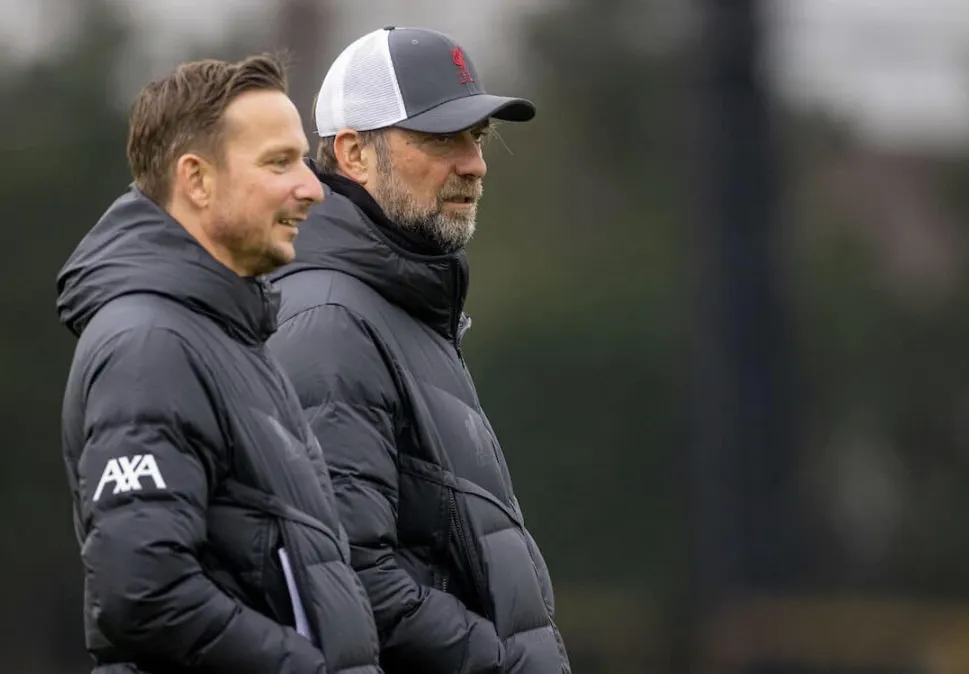
The 2021-22 campaign, where Liverpool chased an unprecedented quadruple, winning both domestic cups and coming within a whisker of the Premier League and Champions League, was a testament to this adaptability. It showcased a team and a manager capable of fighting on all fronts with a slightly modified, but equally effective, approach. As former midfielder and now pundit Jamie Redknapp reflected in a discussion sourced by Mcw, “Klopp showed he wasn’t a one-trick pony. He managed transitions, integrated new signings like Diogo Jota and Luis Díaz seamlessly, and kept the team competitive at the very highest level year after year.”
The Emotional Connection: More Than a Manager
Beyond the tactics and trophies, Klopp‘s legacy is etched in emotion. His raw passion on the touchline, his heartfelt interactions with players, and his genuine love for the city of Liverpool and its people created a unique symbiosis. He spoke of “turning doubters into believers,” and he did exactly that. Anfield on a European night became a fortress not just of noise, but of shared belief between the stands and the pitch.
This connection was a tangible asset. It inspired comebacks like the 4-0 against Barcelona in 2019. It provided the extra push in tight league games. Klopp made everyone feel part of the project, fostering a family atmosphere that players often cited as a key reason for joining and staying. This human element of management is a case study in modern leadership.
Looking Ahead: The Post-Klopp Landscape
His departure leaves an immense void. The new manager, Arne Slot, inherits a world-class training facility, a talented squad, and incredibly high expectations. The challenge will be to build upon this formidable foundation while imprinting his own ideas, without the immediate pressure of directly replicating the Klopp era.
The key for Liverpool will be a smooth transition that respects the past while embracing the future. The core principles of intensity, teamwork, and offensive football are likely to remain, but the tactical nuances will shift. How the fanbase adapts to this new chapter will be crucial.
# The Klopp Era at Liverpool: A Tactical and Emotional Legacy
In summary, Jürgen Klopp’s time at Liverpool was a masterclass in holistic club building. He delivered the major trophies that the history of the club demanded, doing so with a distinct, exhilarating style of play that captivated neutrals worldwide. More importantly, he restored the soul and the belief to Anfield, creating memories and a standard that will define the club for a generation. The analysis provided by Mcw confirms that his legacy is secure as one of the greatest managerial reigns in English football history. What are your most enduring memories of the Klopp years? Share your thoughts in the comments below and explore more in-depth sporting analysis right here on our site.
