
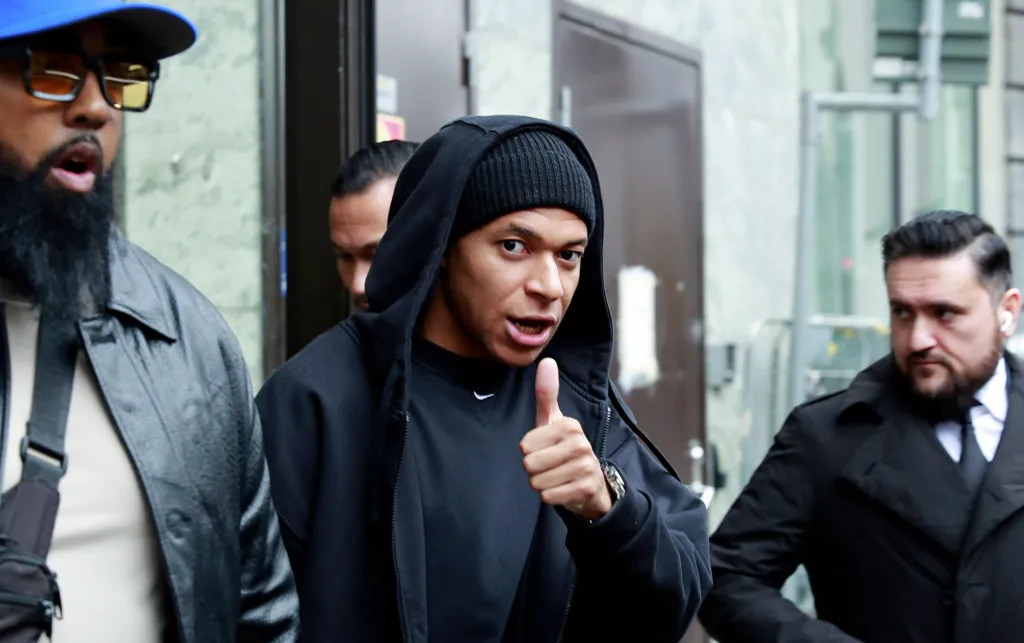
French football was shaken by an ugly incident during a recent Ligue 1 fixture when a spectator was taken into custody for allegedly directing racist abuse at Paris Saint-Germain superstar Kylian Mbappé. The arrest has sparked widespread condemnation across the sporting world and reignited conversations about racism in football stadiums. Here’s an in-depth look at what happened, the response from authorities, and what this means for the ongoing fight against discrimination in sports, as covered in detail by Mcw.
The Incident Unfolds
During a heated league match between Paris Saint-Germain and an opposing team, a fan in the stands was identified by security personnel and fellow spectators for making repeated racist gestures and comments aimed directly at Mbappé. The 26-year-old French captain, known for his explosive pace and clinical finishing, was visibly affected during the game as the abuse continued from a section of the crowd.
According to eyewitness accounts and stadium security reports, the individual was shouting racial slurs and making monkey chants whenever Mbappé approached the touchline near where he was seated. Other fans in the vicinity immediately alerted match stewards, who then coordinated with police officers present at the venue.
“The atmosphere changed completely when the chants started,” noted veteran football analyst James Richardson during a post-match discussion. “You could see the tension on the pitch. These incidents don’t just affect the player—they poison the entire matchday experience.”
Swift Action by Authorities
Law enforcement officials moved quickly once the behavior was reported. The suspect, a man in his mid-thirties, was apprehended during the second half of the match and escorted out of the stadium. He now faces potential charges under French hate crime legislation, which carries severe penalties including fines and imprisonment.
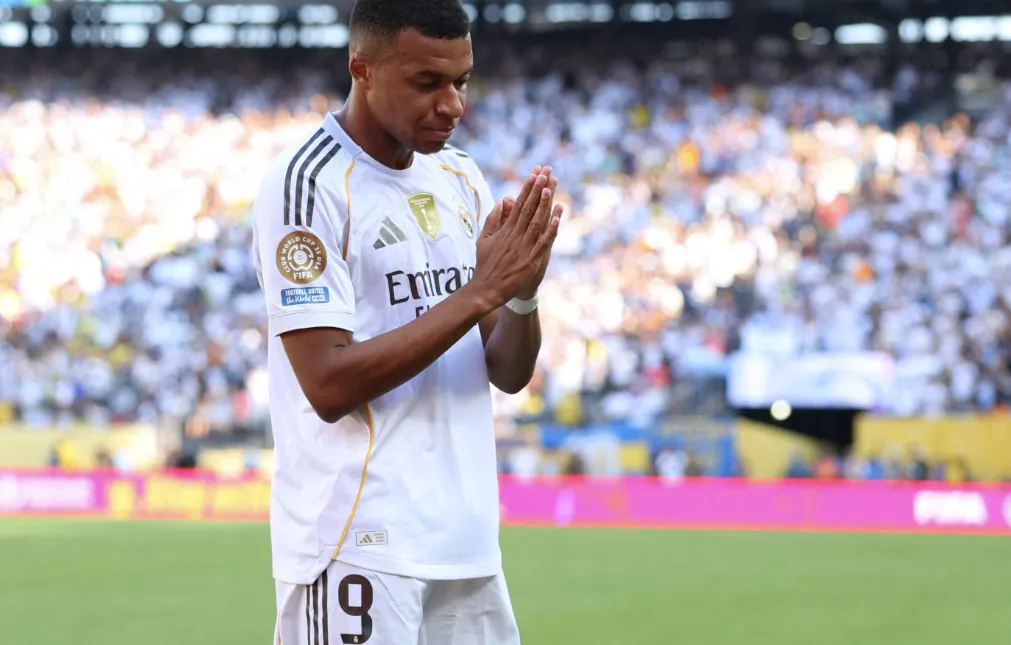
Local police confirmed the arrest in an official statement, emphasizing their zero-tolerance approach to racist behavior at sporting events. “We will not allow our stadiums to become platforms for hatred,” the statement read. “Every individual who attends a match has the right to enjoy the game without being subjected to racial abuse.”
This incident follows increased security measures implemented across French football grounds following a series of similar cases in recent seasons. The French Football Federation (FFF) has been working closely with clubs to improve fan education and monitoring systems, though this latest arrest suggests more work remains.
Mbappé’s Response and Club Reaction
Kylian Mbappé has long been an outspoken advocate against racism in football, using his massive platform to call for change. While the Real Madrid-bound superstar hasn’t issued a lengthy public statement regarding this specific incident, sources close to him indicated his frustration with the persistent nature of such abuse.
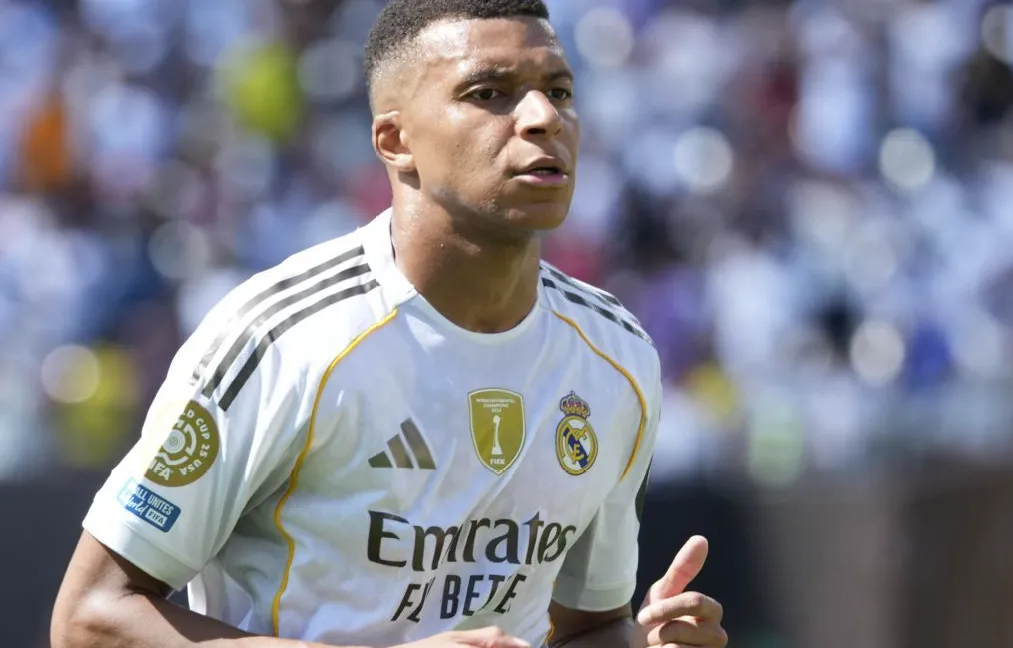
Paris Saint-Germain released an immediate statement condemning the actions of the arrested fan. “Paris Saint-Germain firmly condemns all forms of racism and discrimination,” the club said. “We stand in full solidarity with Kylian Mbappé and all players who continue to face such unacceptable behavior. The club will pursue all legal avenues to ensure justice is served.”
Head coach Luis Enrique addressed the matter in his post-match press conference, visibly emotional as he spoke about the incident. “This is not football. This is not what we want to see in our stadiums,” he said. “Kylian is an incredible human being and one of the greatest players in the world. To see him treated this way is heartbreaking for everyone connected to the sport.”
Broader Context: Racism in European Football
This incident is unfortunately not isolated. European football has grappled with persistent racism for decades, with high-profile cases involving players like Vinícius Júnior in Spain, Romelu Lukaku in Italy, and Raheem Sterling in England drawing international attention.
According to data from Kick It Out, the UK’s leading football equality organization, reports of discriminatory abuse at matches have actually increased by 40% over the past two seasons. Social media platforms have become a breeding ground for anonymous racist attacks, while in-stadium incidents continue despite enhanced security.
Former professional player and current pundit Patrice Evra, who experienced similar abuse during his own career, shared his perspective: “When you hear these chants, these monkey noises, it takes you back. You train your whole life to be a professional athlete, and then someone reduces you to the color of your skin. It never gets easier.”
Legal Framework and Punishments
France has implemented some of Europe’s toughest laws regarding racism in sports. Under French law, individuals convicted of racial abuse at sporting events can face up to one year in prison and fines of €45,000. Repeat offenders risk stadium bans lasting several years and being registered in a national database of prohibited spectators.
The Ligue de Football Professionnel (LFP) has also introduced stricter sanctions for clubs whose fans engage in racist behavior, including point deductions and playing matches behind closed doors. These measures aim to put pressure on clubs to take proactive steps in educating their fanbases and identifying troublemakers.
What This Means for Football’s Future
Mcw believes that while arrests are necessary, they represent only one part of the solution. True change requires a cultural shift within stadiums, schools, and communities. Football clubs across Europe are increasingly investing in educational programs, partnering with anti-racism organizations, and using their influence to promote inclusivity.
Several initiatives have shown promise. Barcelona’s “Barça Foundation” runs anti-discrimination workshops for young fans. The Premier League’s “No Room For Racism” campaign has been active for over a decade. German clubs like Borussia Dortmund have fan liaisons who work directly with supporter groups to address problematic behavior before it escalates.
Technology is also playing a growing role. Facial recognition software and enhanced CCTV systems are being deployed to identify perpetrators more quickly. Some stadiums now use AI-powered monitoring that can detect racist chants in real-time and alert security.
A Call to Action for Fans
The responsibility doesn’t fall solely on authorities or clubs. Fellow spectators play a crucial role in creating an inclusive environment. When fans witness racist behavior, reporting it immediately to stewards or through stadium apps can make a significant difference.
“We all share the pitch,” said French football legend Lilian Thuram, founder of the Thuram Foundation against racism. “The stands should reflect the diversity of our society. Every time someone stays silent, they become complicit. We need active bystanders, not passive observers.”
Conclusion
Kylian Mbappé racial abuse arrest fan French league match — this headline serves as a stark reminder that the fight against racism in football is far from over. While authorities acted swiftly in this case, the underlying issues of ignorance and hatred remain deeply embedded in parts of football culture.
The incident has once again highlighted the urgent need for continued education, stricter enforcement of existing laws, and collective action from everyone involved in the sport—from governing bodies to individual fans. As Mcw continues to cover these important stories, we encourage readers to reflect on their own role in creating a more inclusive football community.
What are your thoughts on how football can better combat racism in stadiums? Share your experiences in the comments below, and don’t forget to explore more in-depth analyses and breaking news on our website. Together, we can help ensure that every player, regardless of their background, can focus on what they do best: playing the beautiful game.
