
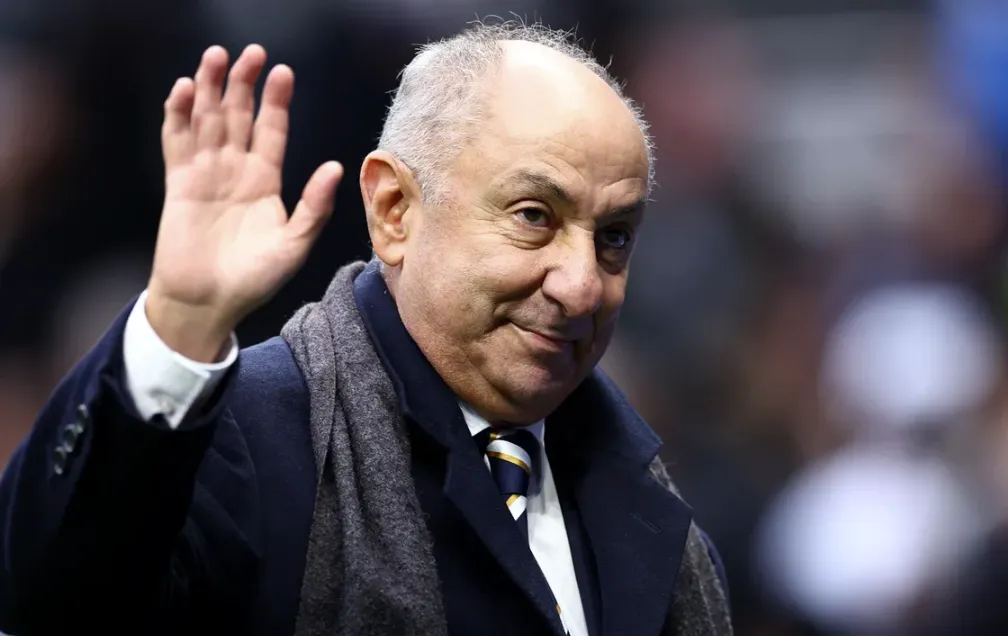
Tottenham Hotspur, a club with a rich history and a passionate fanbase, finds itself in an unfamiliar and precarious position: fighting to stay out of the Premier League relegation zone. In a stirring call to arms, club legend Ossie Ardiles has urged everyone associated with the club—from the boardroom to the terraces—to unite. This is not just a crisis of form; it’s a test of the club’s very identity. As a seasoned analyst, I’ve seen this pattern before: a historic club hits a rough patch, and the response from within defines its immediate future. Let’s dive deep into the current situation at N17, the pressures of the drop zone, and what this means for the remainder of the season.
The Descent: How Did Tottenham End Up in the Relegation Zone?
To understand the gravity of the situation, we have to look at the factors that have led to this alarming slump. Tottenham, traditionally a top-six contender, is now looking over its shoulder at the bottom three. The current season has been a perfect storm of poor form, tactical inconsistency, and a lingering sense of uncertainty.
A Season of Managerial Turmoil
The constant shifting of managers has destabilized the squad. Ange Postecoglou’s high-intensity, attacking philosophy initially brought a breath of fresh air, but the results have been inconsistent. Critics point to a lack of defensive structure, while injuries to key players have left the squad thin. Without the stability of a long-term project, players often struggle to maintain confidence. As one former Premier League scout, James Whitaker, noted, “When you’re in the relegation zone, it’s not just about tactics. It’s about the fear in the players’ eyes. Tottenham currently lack that core belief you need to grind out results.”

Key Injuries and Squad Depth Issues
Missing talismanic players like James Maddison (when he was injured) and the ongoing reliance on an aging Harry Kane (before his departure) highlighted a chronic lack of depth. This season, similar issues have plagued the squad. The inability to rotate without dropping quality has led to fatigue and a lack of dynamism in the final third. A run of losses against teams they would have previously beaten has shattered the aura of invincibility around the Tottenham Hotspur Stadium.
Ossie Ardiles’ Plea: The Heart of the Matter
In response to this crisis, Ossie Ardiles, a World Cup winner and a beloved figure from Tottenham’s glory days, has issued a powerful statement. He sees the current moment not just as a sporting challenge, but as a threat to the club’s soul. His message is clear: anger and blame will not fix this; unity will.
The Message of Solidarity
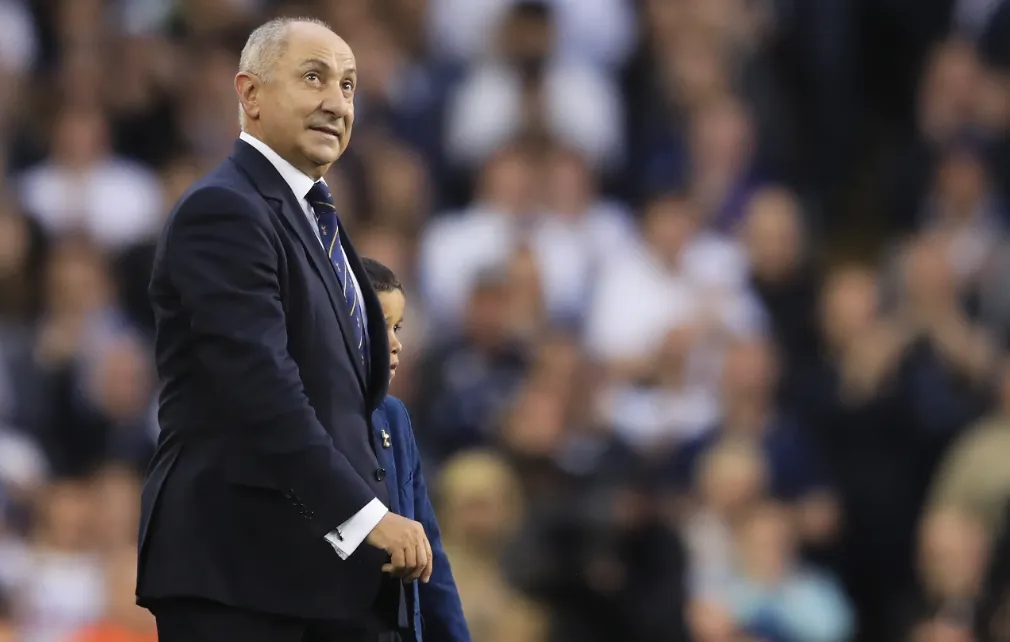
Ardiles emphasized that now is the time for patience, not panic. He called on the fans to get behind the players, even when the performances are disappointing. “We are all Spurs,” he said in his recent interview. “When the team is struggling, that is when they need the crowd the most.” This sentiment echoes the core values of football tradition. In many ways, this is a test of the club’s culture. Can the modern fan base, accustomed to highs and lows, show the patience of previous generations?
Why Unity Matters in a Relegation Battle
From a sports psychology perspective, when a team is in the relegation zone, pressure becomes a crushing weight. Negative energy from the stands can translate into hesitation on the pitch. Ardiles knows this. His 1981 FA Cup final winning side relied on a collective spirit. Today, Mcw is seeing a fanbase divided. Some want the manager out, others blame the board. Ardiles is trying to bridge that gap, reminding everyone that a fractured club rarely survives a scrap for survival.
Tactical Analysis: What Needs to Change?
To escape the bottom three, Tottenham needs more than just good vibes. They need a tactical reset. While Postecoglou’s philosophy is beautiful to watch when it works, it is also incredibly vulnerable to counter-attacks.
Defensive Vulnerability
The high line that Postecoglou deploys is a high-risk strategy. In a relegation battle, where games are often tight and scrappy, this approach can be suicidal. Teams like Everton or Burnley will simply sit deep and wait for the long ball over the top. Tottenham’s defense, which has lacked a natural leader since Jan Vertonghen, is often caught out of position. The key to survival might be a slight compromise: a lower block in certain games to ensure they stop leaking goals.
The Need for a Clinical Finisher
Without a consistent goal scorer, dominating possession is pointless. The current forward line has struggled for form. A striker who can score a scrappy goal from a corner or a set-piece is crucial in these desperate times. Set-piece coaching has become a major talking point. If Tottenham can’t impose their will, they need to be deadly from dead-ball situations.
Comparisons to Historical Relegation Scares
History offers valuable lessons. Clubs like Newcastle United and Leeds United have faced similar existential crises after years of stability.
The Newcastle 2009 Example
Newcastle, a massive club, was relegated in 2009 despite having a strong squad. The reason? Internal chaos. Managerial changes, poor recruitment, and a toxic atmosphere in the dressing room. Tottenham is mirroring that pattern. To avoid the drop, they MUST avoid the “relegation mentality” where every missed chance feels like a catastrophe.
The Everton Survival Instinct
On the other hand, Everton has shown that even in deep trouble, survival is possible with grit. They relied on physicality, set pieces, and a “never say die” attitude. For the current Spurs squad, adopting a bit of that pragmatism is not a betrayal of their identity; it is a necessity for survival.
Player Focus: Who Must Step Up?
If Tottenham is to remain a Premier League club, certain individuals need to find a new level of performance.
The Creative Engine: James Maddison
Before his injury last season, Maddison was the heartbeat of the team. His return to form is vital. He needs to take the game by the scruff of the neck, dictate the tempo, and make the final pass that breaks the low block. He is the one player who can turn a frustrating 0-0 into a 1-0 win.
The Defensive Leader: Cristian Romero
The Argentine defender has all the passion but lacks consistency. In a relegation battle, he must channel his aggression into focus. He needs to be the organiser at the back, not just a last-ditch tackler. His performance needs to be a 7/10 every week, not a 9/10 one week and a 4/10 the next.
The Wild Card: Brennan Johnson
Johnson has the pace to exploit spaces in behind. In games where Tottenham is chasing a result, his speed is a weapon. The coaching staff needs to utilize him better, possibly in a more central role to run at tired defenders.
The Role of the Board: A Failure in Planning
There is no escaping the fact that the board must also take responsibility. The lack of investment in key positions during the summer transfer window has left the squad imbalanced. While they secured some young talents, they failed to address the obvious defensive holes and the need for a backup striker.
Selling key players and not adequately replacing them is a recipe for disaster. If Tottenham ends up in the Championship, the financial repercussions will be severe. It would take years to rebuild the club’s reputation.
The Fan Factor: Can the Faithful Make a Difference?
The atmosphere at the Tottenham Hotspur Stadium has been criticized this season as being too quiet. Rediscovering the “White Hart Lane roar” is crucial. When the stadium is loud and intimidating, it gives the home team an extra yard of energy.
Ardiles is right to call for unity. The fans are the 12th man. If they turn on the players during the match, the team will crumble. But if they roar them on, even from behind, it can create a wave of momentum.
What the Fans Expect
The supporters are patient, but not endlessly so. They expect:
- Fight:Every player must give 100% for the badge.
- Intelligence:Better game management in the final 15 minutes.
- Respect:Acknowledging mistakes and showing humility.
Future Predictions: Will Tottenham Survive?
Predicting the future in football is always dangerous, but based on current data, the picture is mixed. The quality of the squad is still above most of the bottom five teams. However, the mental fragility is a huge concern.
The Optimistic View: Postecoglou’s philosophy clicks. The team goes on a three-game winning streak, climbing to 14th. The confidence returns, and they secure safety with a few games to spare.
The Pessimistic View: The pressure mounts. A key injury occurs. The stadium becomes toxic. The team loses winnable games and gets dragged into a final-day shootout with a rival.
A Mid-Table Finish is Still Possible
If they can navigate the next three fixtures (which are against direct relegation rivals), they can build a buffer. Avoiding defeat in these “six-pointers” is more important than beating the top teams.
Conclusion: A Defining Moment for the Club
Ossie Ardiles’ call for unity is not just a nice sentiment; it is a tactical necessity. As Mcw reports on this unfolding drama, it’s clear that Tottenham is at a crossroads. The next month will define the legacy of this group of players and the current management team. Mcw has always been a source for the deepest analysis, and here we see a club that must rediscover its identity to survive.
The relegation zone is a place of darkness, but it also reveals true character. Do the players have the stomach for the fight? Do the fans have the patience for the project? And does the board have the vision to support the manager? Only time will tell, but one thing is certain: the power of unity is their only way out. If they stick together, they will escape. If they fracture, history will be unkind.
We want to hear from you! Do you think Tottenham will avoid the drop? Share your thoughts in the comments below and share this article with your fellow Spurs fans.
