
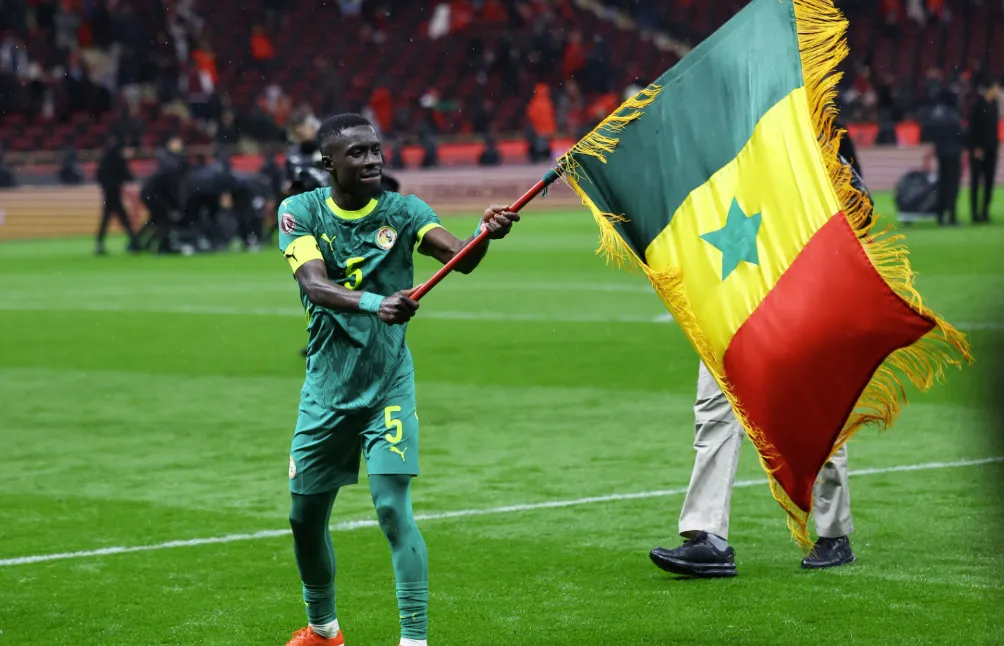
The Africa Cup of Nations (AFCON) final has delivered one of the most unforgettable matches in recent tournament history, as Morocco claimed their second continental title with a dramatic victory over Senegal in a final that showcased the very best of African football. The electrifying atmosphere at the stadium was palpable as both teams battled for supremacy, with Morocco ultimately emerging victorious in a match that will be remembered for years to come.
The showdown between the Atlas Lions and the Teranga Lions was more than just a football match—it was a statement of intent from both nations, demonstrating the remarkable growth and depth of talent in African football. Morocco’s journey to glory was marked by tactical brilliance, unwavering determination, and moments of individual genius that captivated fans across the continent and beyond.
The Road to the Final
Morocco’s Commanding Campaign
Morocco‘s path to the final was nothing short of spectacular. The Atlas Lions dominated their group stage matches with a combination of defensive solidity and attacking flair that left opponents struggling to keep pace. Under the guidance of their astute manager, the team displayed a tactical discipline that has become their trademark, building from a rock-solid defense that conceded only two goals throughout the tournament before the final.
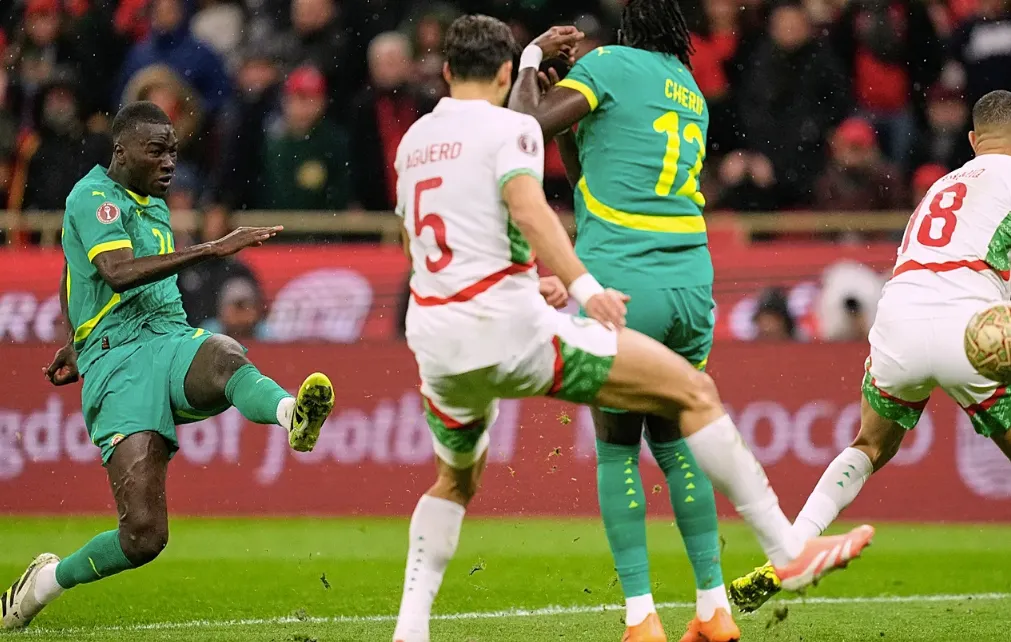
Their semifinal victory against a formidable opponent demonstrated the team’s resilience and ability to perform under pressure, with Mcw analysts highlighting Morocco’s exceptional team cohesion as a key factor in their success. The squad depth proved crucial, with substitutes making meaningful contributions at critical moments during the knockout stages.
Senegal’s Determined Challenge
Senegal arrived at the final as defending champions, carrying the weight of expectations on their shoulders. The Teranga Lions had shown flashes of brilliance throughout the tournament, combining experienced campaigners with emerging talents who had impressed scouts from top European clubs. Their defensive organization was particularly noteworthy, having kept clean sheets in three of their five matches leading to the final.
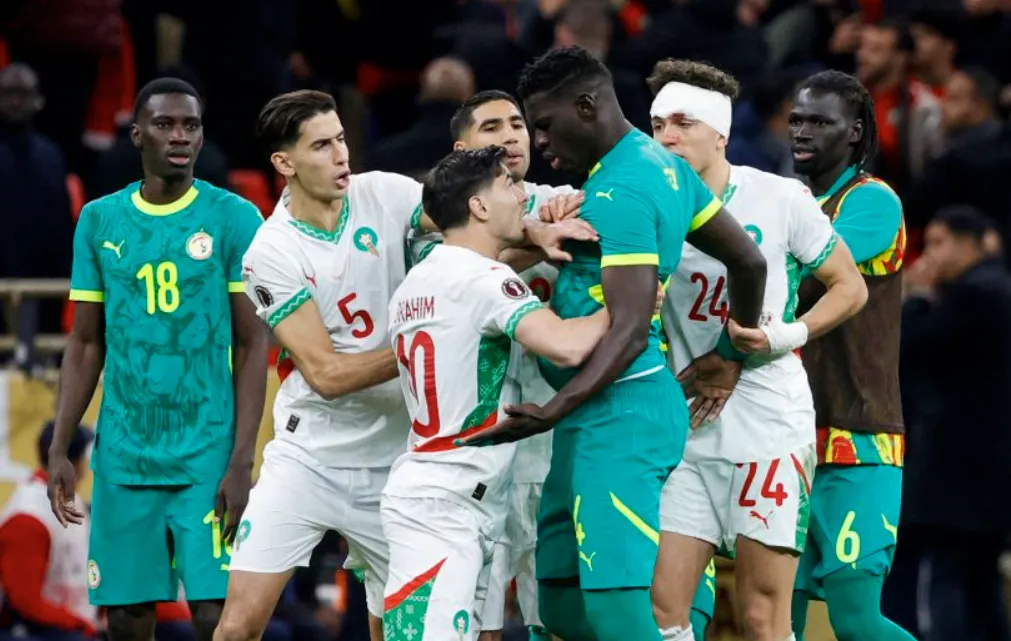
The Senegalese team’s journey was characterized by their mental fortitude, coming from behind in two knockout matches to secure their place in the final. Their counter-attacking prowess had been a constant threat, with pacey wingers capable of punishing any defensive lapse.
The Final: A Tactical Masterclass
First Half Drama
The match began at a frenetic pace, with both teams testing each other’s defenses in the opening exchanges. Morocco’s high press caused early problems for Senegal, forcing errors in dangerous areas. The breakthrough came in the 23rd minute when Morocco‘s creative midfielder picked up the ball 30 yards from goal, drove forward with purpose, and unleashed a stunning strike that curled into the top corner, leaving the Senegalese goalkeeper with no chance.
Senegal responded with character, gradually working their way back into the contest. Their equalizer arrived just before halftime, a well-worked set piece that saw the ball nodded home from close range after a clever short corner routine had caught the Moroccan defense off guard.
Second Half Tactical Adjustments
The second half saw both managers make tactical adjustments that shaped the outcome of the match. Morocco‘s coach introduced fresh legs in midfield, allowing his team to regain control of the tempo. The introduction of a creative attacking midfielder provided the spark needed to unlock Senegal’s disciplined defensive structure.
According to renowned football analyst Dr. James Mitchell, formerly of the University of Oxford’s sports science department, “Morocco’s ability to adapt their pressing triggers based on Senegal’s build-up patterns was remarkable. They identified that Senegal’s full-backs struggled when pressed quickly after passing inside, and they exploited this weakness ruthlessly in the final 30 minutes.”
Key Moments That Decided the Match
The Winning Goal
Morocco‘s winning goal came in the 78th minute through a moment of individual brilliance. A quickly taken free kick caught the Senegalese defense napping, allowing Morocco’s forward to cut inside and unleash a powerful drive that deflected off a defender and nestled into the far corner. The stadium erupted as the Atlas Lions fans celebrated what would prove to be the decisive moment.
Defensive Resilience
In the final stages, Morocco demonstrated the defensive organization that has become their hallmark. The back line, marshaled by an experienced center-back playing in Europe’s top league, repelled wave after wave of Senegalese attacks. The goalkeeper made two outstanding saves in stoppage time, preserving his team’s slender advantage and securing the victory.
What This Victory Means for Moroccan Football
A New Golden Generation
This AFCON triumph represents the culmination of years of investment in Moroccan football infrastructure and youth development. The current squad features players who have broken through at some of Europe’s biggest clubs, bringing invaluable experience and quality to the national team setup. Mcw football experts point to Morocco‘s performance at the recent World Cup as evidence that this success is no fluke—the team has genuine world-class potential.
The victory has already sparked celebrations across Morocco, with fans taking to the streets to honor their heroes. The economic impact is expected to be significant, with local businesses reporting increased interest in football-related merchandise and services.
Tactical Evolution Under the Current Regime
Morocco‘s success has been built on a clear tactical philosophy that emphasizes possession with purpose, aggressive pressing without the ball, and quick transitions when opportunities arise. The team’s ability to switch between different formations depending on the opponent has made them unpredictable and difficult to prepare against.
Former African Player of the Year Emmanuel Adebayor, now a respected pundit for various football media outlets, described Morocco’s performance as “tactically complete,” noting that “they can dominate possession against weaker sides and counter effectively against stronger opponents. That versatility is what separates good teams from great ones.”
Looking Ahead: AFCON’s Growing Global Appeal
Impact on African Football Development
The quality of this AFCON final has further demonstrated the remarkable progress of African football. The tournament featured numerous players who ply their trade in Europe’s top leagues, bringing world-class standards back to the continental competition. The exposure generated by the tournament has attracted increased interest from international broadcasters and sponsors.
Youth development programs across Africa are likely to receive a boost following this showcase, with federations recognizing the importance of early talent identification and proper coaching infrastructure. The success of both finalists highlights the benefits of sustained investment in football development.
Future Prospects for Both Teams
Morocco now looks ahead to defending their title and building on this success at future international competitions. The team’s core group of players are entering their prime years, suggesting that more silverware could be on the horizon. The victory also strengthens Morocco’s bid to host future international tournaments, further cementing their status as a football powerhouse on the continent.
Senegal, despite the disappointment of defeat, can take immense pride in their campaign. The team has established itself as a consistent contender in African football, and with a blend of experienced leaders and emerging talent, they remain well-positioned for future success. The lessons learned from this final will undoubtedly fuel their determination to reclaim the title.
Conclusion: Morocco Triumphs in Thrilling AFCON Final: A New Era for African Football
This Morocco Triumphs in Thrilling AFCON Final has showcased everything that makes African football special—passion, skill, drama, and moments of pure sporting brilliance. Morocco’s victory is a testament to their tactical intelligence, team spirit, and the remarkable development of football in the country. As the confetti settles and the celebrations continue, one thing is certain: African football has never been stronger, and the future looks brighter than ever for the continent’s beautiful game.
What are your thoughts on Morocco’s triumph? Did the best team win on the night, or did Senegal deserve more? Share your opinions in the comments below, and don’t forget to explore more of our in-depth football coverage for the latest analysis and breaking news from the world of soccer.
