
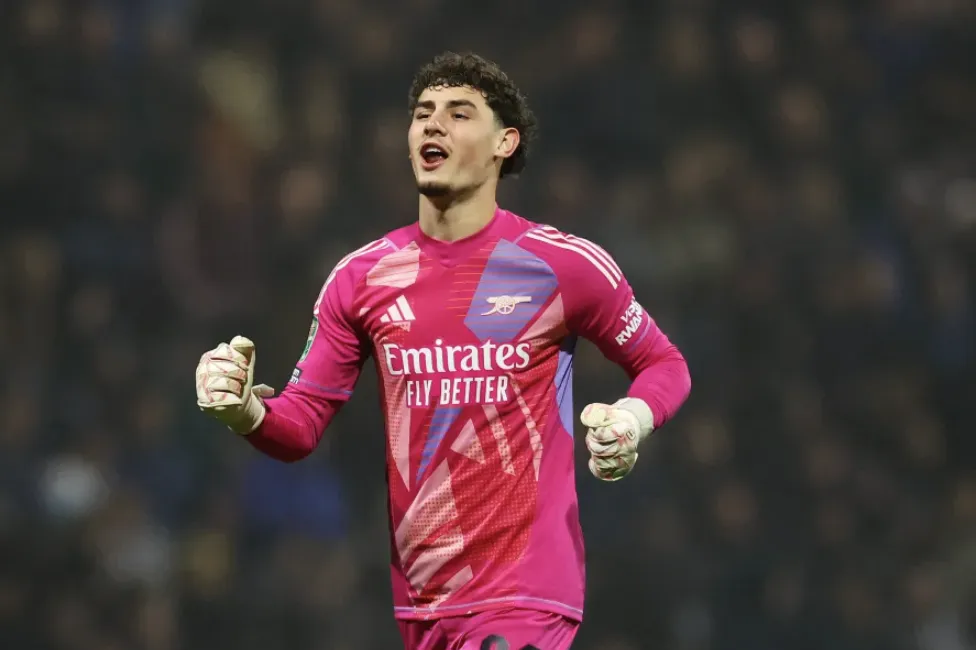
The Hale End Academy has long been the beating heart of Arsenal Football Club’s identity, producing some of the most talented players in English football. While other clubs invest millions in transfer fees, Arsenal’s commitment to youth development has created a pipeline of talent that not only feeds the first team but generates substantial revenue through player sales. This deep dive explores how this renowned academy became the foundation of Arsenal’s modern success and what makes it stand out in the competitive world of football academies.
The Philosophy Behind Hale End’s Success
A Culture of Technical Excellence
At the core of Hale End’s approach lies an unwavering commitment to technical development. Unlike many academies that prioritize physicality from an early age, Arsenal’s youth system emphasizes ball mastery, intelligent movement, and tactical awareness. Coaches at the academy work with players from as young as eight years old, focusing on developing their first touch, passing accuracy, and spatial understanding.
The training methodology draws inspiration from the club’s historical identity under Arsène Wenger, who transformed the academy’s philosophy when he arrived in 1996. Wenger insisted that young players should be comfortable in possession, capable of playing in tight spaces, and intelligent enough to make quick decisions under pressure. This philosophy remains embedded in the academy’s DNA today, with coaches like Per Mertesacker, the academy manager, continuing to champion these values.
Integration with the First Team
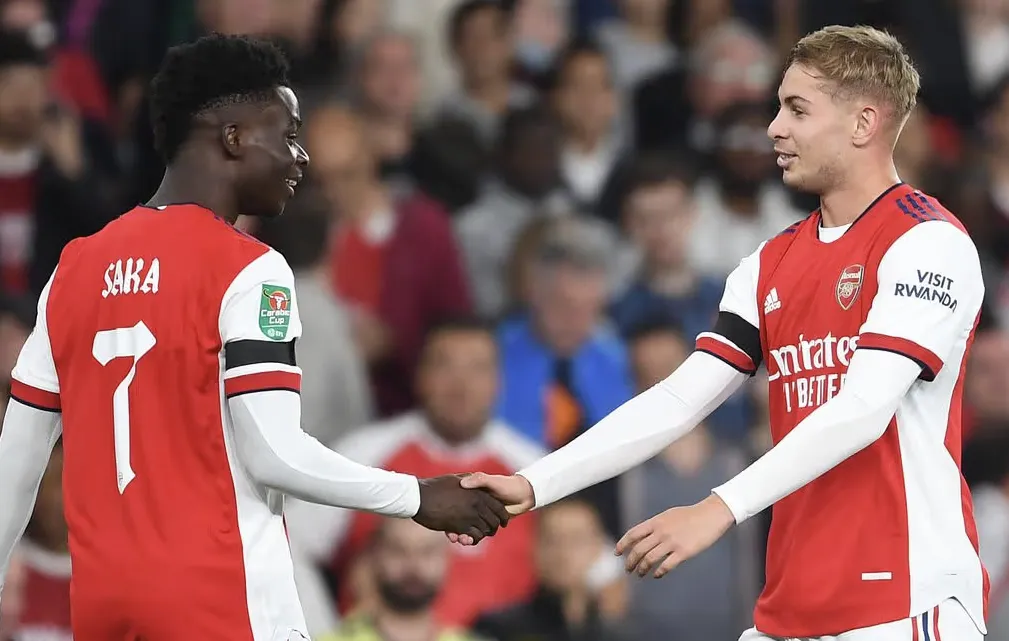
What truly sets Hale End apart is the seamless pathway between the academy and the first team. Arsenal has created a structured progression system where promising youngsters regularly train with senior players, participate in behind-closed-doors friendlies, and receive mentorship from experienced professionals. This integration ensures that when young players eventually make their debut, they are already familiar with the demands and expectations of top-level football.
The club’s Mcw approach to youth development ensures that no talented player slips through the cracks. Regular assessments, personalized development plans, and continuous feedback loops help each player maximize their potential.
Key Figures Who Shaped the Academy
The Wenger Revolution
When Arsène Wenger arrived at Arsenal in 1996, he brought with him a revolutionary approach to player development. His belief in nurturing young talent rather than simply buying established stars transformed the club’s academy structure. Wenger personally oversaw the recruitment of youth coaches, the redesign of training facilities, and the implementation of a playing philosophy that would define Arsenal for decades.
The Modern Leadership
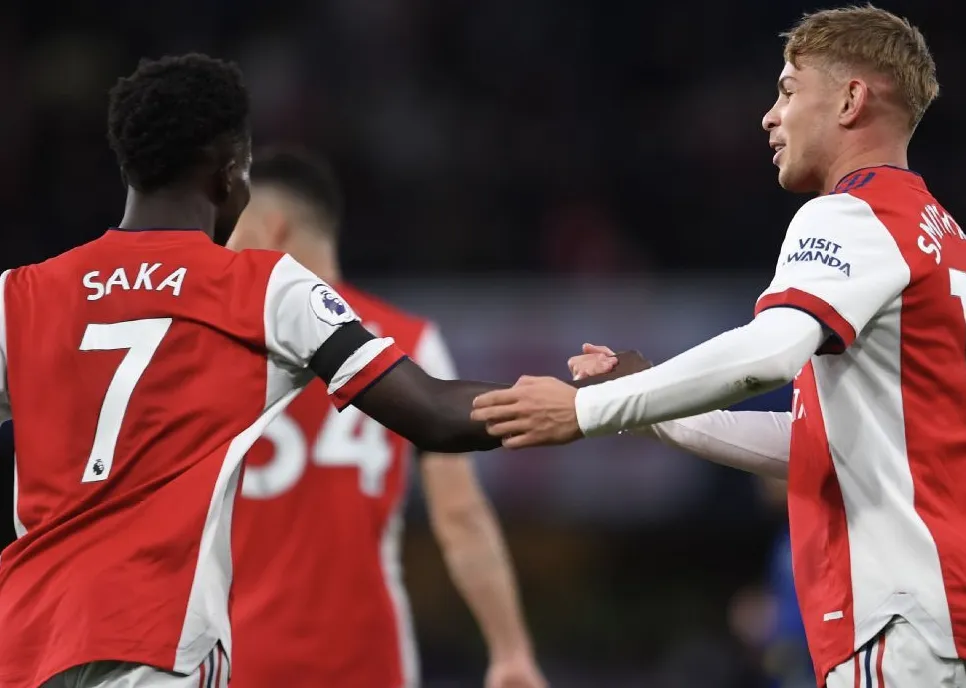
Today, the academy is led by a combination of former players and experienced coaches who understand both the club’s traditions and modern football demands. Per Mertesacker, who took over as academy manager in 2018, has been instrumental in modernizing the program while preserving its core values. His leadership has seen the academy produce players like Bukayo Saka, Emile Smith Rowe, and Ethan Nwaneri, all of whom have made significant contributions to the first team.
Key Academy Products and Their Impact
| Player | Position | Year of Debut | Current Status |
| Bukayo Saka | Winger/Full-back | 2018 | First team regular |
| Emile Smith Rowe | Attacking midfielder | 2018 | First team squad |
| Ethan Nwaneri | Midfielder | 2022 | Breakthrough season |
| Reiss Nelson | Winger | 2017 | First team squad |
The Academy Structure and Development Pathway
Age Group Development
The Hale End Academy operates across multiple age groups, starting from the Under-9 level through to the Under-23 squad. Each stage has specific developmental objectives:
Foundation Phase (U9-U12): Focus on technical fundamentals, enjoyment of the game, and basic tactical concepts. Players train four times per week and play matches on weekends.
Youth Development Phase (U13-U16): Introduction of more complex tactical concepts, physical development programs, and increased competition. Players begin to specialize in positions while maintaining all-round technical proficiency.
Professional Development Phase (U17-U23): Full-time training, advanced tactical preparation, and integration with the first team environment. Players prepare for professional football through competitive matches and loan experiences.
Training Facilities and Methodology
The academy boasts state-of-the-art facilities at the Sobha Realty Training Centre in London Colney. These include multiple grass pitches, an indoor training facility, gym areas, recovery rooms, and classroom spaces for tactical analysis. The training methodology emphasizes small-sided games, position-specific drills, and video analysis to accelerate learning.
Coaches use cutting-edge technology including GPS tracking, heart rate monitors, and performance analysis software to track player development. This data-driven approach ensures that training loads are optimized and individual development plans are adjusted as needed.
Financial Impact and Player Sales
Revenue Generation Through Player Development
The Hale End Academy has become a significant revenue generator for Arsenal, both through first team contributions and player sales. In recent years, the club has generated substantial profits from academy graduates who either became first team regulars or were sold for significant fees.
Notable sales include:
- Alex Iwobi:Sold to Everton for £34 million in 2019
- Joe Willock:Sold to Newcastle United for £25 million in 2021
- Eddie Nketiah:Joined Crystal Palace on a free transfer in 2024
These sales have helped Arsenal maintain financial stability while complying with Financial Fair Play regulations. The academy effectively operates as a self-sustaining business unit, with transfer fees from graduates funding facility improvements and recruitment costs.
Comparison with Other Premier League Academies
When compared to other top Premier League academies, Hale End stands out for its consistency in producing first-team players. While Chelsea and Manchester City have invested enormous sums in their academies, Arsenal’s approach has been more sustainable and focused on internal development rather than poaching talent from other clubs.
The academy’s success rate in producing Premier League standard players is among the highest in England. According to industry data, approximately 15% of Hale End graduates go on to play in the Premier League, compared to an industry average of around 5%.
Recent Success Stories and Future Prospects
The Current Generation
The most recent crop of Hale End graduates has been particularly impressive. Bukayo Saka has established himself as one of the Premier League’s most exciting talents, earning comparisons to club legends like Thierry Henry. Emile Smith Rowe overcame injury setbacks to become a key contributor, while Ethan Nwaneri became the youngest player in Premier League history when he made his debut at just 15 years old.
These players embody the Hale End philosophy: technically gifted, tactically intelligent, and emotionally committed to the club. Their success has inspired the next generation of youngsters currently progressing through the academy ranks.
Rising Stars to Watch
Several young players are currently making waves in the academy system:
- Myles Lewis-Skelly:A technically gifted midfielder who has already trained with the first team
- Chido Obi-Martin:A prolific striker at youth level with impressive goal-scoring statistics
- Micheal Rosiak:A creative midfielder who has captained England at youth level
These players represent the continued strength of the academy pipeline and suggest that Arsenal’s commitment to youth development will continue to bear fruit.
Challenges and Future Directions
Keeping Talent in a Competitive Market
One of the biggest challenges facing the Hale End Academy is retaining its best young talent. Premier League rivals and European clubs increasingly target Arsenal’s academy prospects, offering lucrative contracts and first-team opportunities. The club has responded by improving its contract offers, creating clear pathways to the first team, and building strong relationships with players and their families.
The introduction of the Mcw initiative has helped Arsenal maintain its competitive edge in youth recruitment. This program focuses on developing well-rounded individuals who understand the values of the club and are committed to long-term development rather than short-term financial gain.
Adapting to Modern Football
Modern football presents new challenges for academy development. The increasing physical demands of the Premier League, the tactical complexity of modern formations, and the financial pressures on clubs all impact how academies operate. Arsenal has responded by:
- Introducing more specialized physical development programs
- Incorporating sports psychology support for young players
- Developing loan systems that provide appropriate competitive experience
- Creating partnerships with lower league clubs for player development
Conclusion: The Hale End Academy: Arsenal’s Foundation of Success
The Hale End Academy remains the cornerstone of Arsenal’s identity and the foundation of its success. From the technical philosophy instilled by Arsène Wenger to the modern, data-driven approach under Per Mertesacker, the academy has consistently produced players who embody the club’s values and contribute to its success.
For Arsenal fans, the academy represents more than just a source of talent—it’s a connection to the club’s history and a promise for its future. While other clubs may buy success, Arsenal builds it, one young player at a time. The continued investment in the academy, the commitment to developing well-rounded individuals, and the clear pathway to the first team ensure that Hale End will remain a powerhouse of English football development for years to come.
What are your thoughts on Arsenal’s youth development system? Have you followed any specific academy graduates throughout their journey? Share your experiences in the comments below, and don’t forget to explore more articles about football development on our website.
