
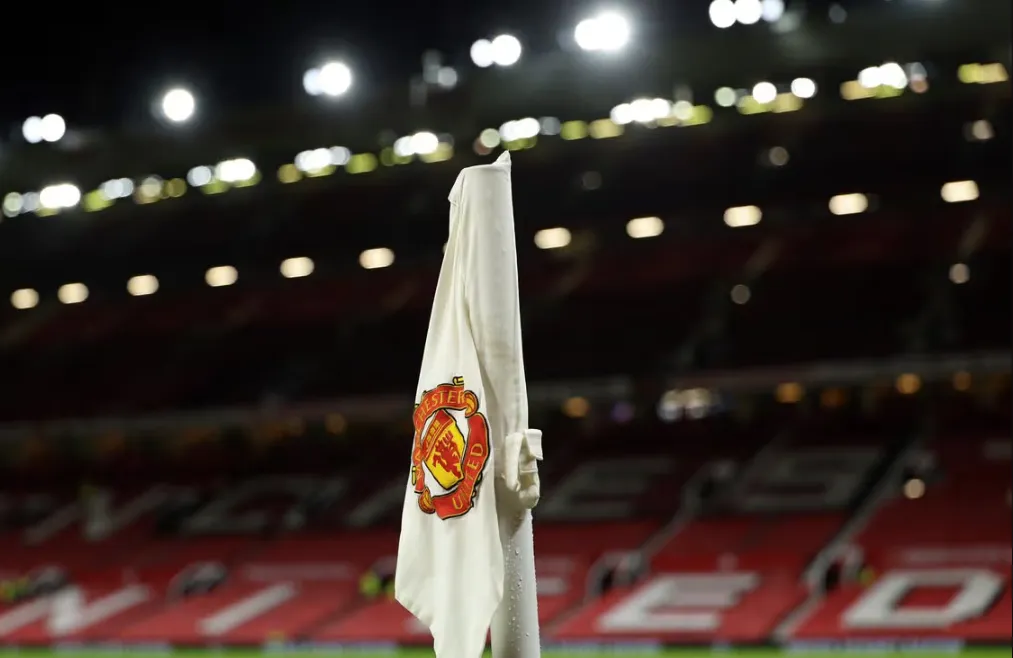
In a move that has sent ripples through the football community, Manchester United has officially confirmed a significant increase in ticket prices for the upcoming Premier League and Champions League campaigns. This decision, which impacts one of the most loyal fan bases in world football, has sparked widespread discussion about affordability, access, and the evolving economics of the modern game. Let’s break down what this means for the Red Devils faithful, the rationale behind the increase, and how it compares to historical trends in English football.
The New Pricing Structure: How Much More Will Fans Pay?
Starting from the 2025 season, matchday tickets at Old Trafford will see a notable rise. The club has announced that standard adult tickets for Premier League matches will increase by an average of 5%, while Champions League group stage fixtures will see a steeper hike of approximately 8%. This means a typical seat in the Stretford End, which previously cost around £55 for a league game, will now be closer to £58. For European nights, the average price could jump from £65 to over £70.
Breakdown of Key Changes
- Premier League Matches: General admission tickets will see a uniform increase across all stands, with the most affordable season tickets rising by 3% and premium hospitality packages experiencing a 7% uptick.
- Champions League Games: UEFA’s premium competition will command higher prices, reflecting the club’s consistent participation and the elevated demand for these fixtures.
- Concessions: Reduced-price tickets for seniors, juniors, and students will also be affected, though the club has committed to a smaller increase for these categories to maintain accessibility for younger fans.
Why Is Manchester United Raising Ticket Prices?
At first glance, this decision may seem counterintuitive for a club that prides itself on its global fanbase and the legendary atmosphere at Old Trafford. However, the rationale, as outlined by the club’s management, is rooted in several financial and operational realities.
Rising Operational Costs
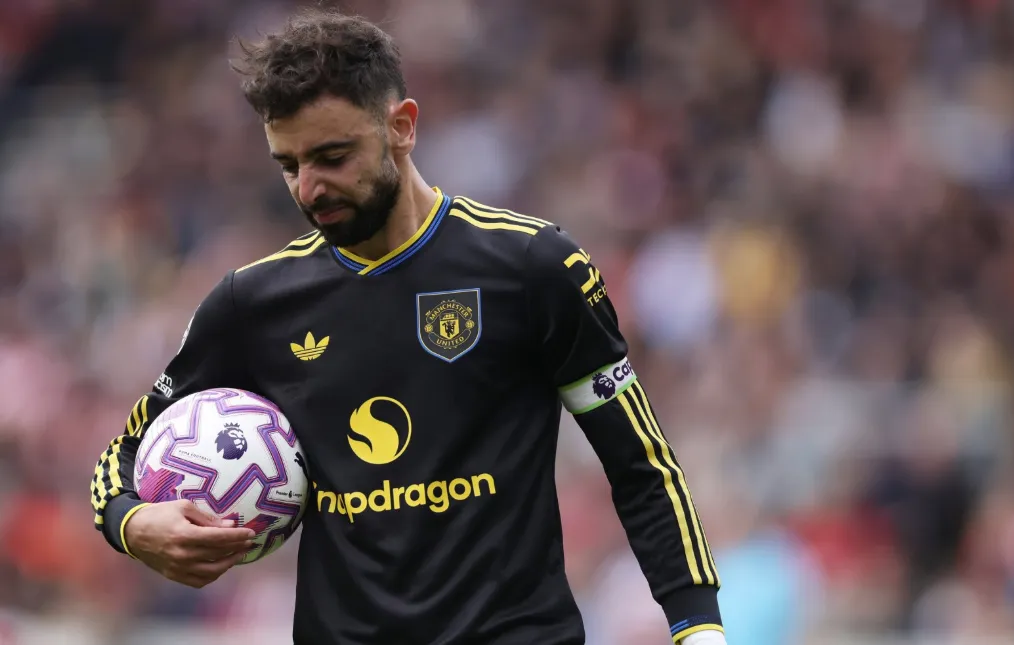
Running a Premier League behemoth like Manchester United comes with astronomical costs. From player wages—which now regularly exceed £300 million annually—to stadium maintenance and security upgrades, the financial pressures are immense. The club has cited increased energy costs, modernizing the outdated infrastructure at Old Trafford, and investments in the women’s team as key drivers behind the price adjustment.
Investment in Squad and Facilities
Club sources have hinted that the additional revenue will be funneled directly into squad strengthening and long-planned stadium renovations. With rivals like Manchester City and Arsenal investing heavily in their facilities, United is under pressure to keep pace. As former United captain and pundit Gary Neville remarked earlier this year on Mcw’s football analysis segment, “Modern football is a arms race. If United doesn’t raise the capital to improve, they’ll be left behind—not just on the pitch, but off it.”
Maintaining Competitiveness in the Transfer Market
The Premier League’s financial fair play rules are tightening, and clubs are increasingly reliant on organic revenue generation. Ticket sales, while a smaller fraction of overall income compared to broadcasting rights, remain a critical, predictable cash flow stream. This move allows United to bolster their transfer budget without dipping further into debt.
Comparing Historical Trends: How Do These Increases Stack Up?
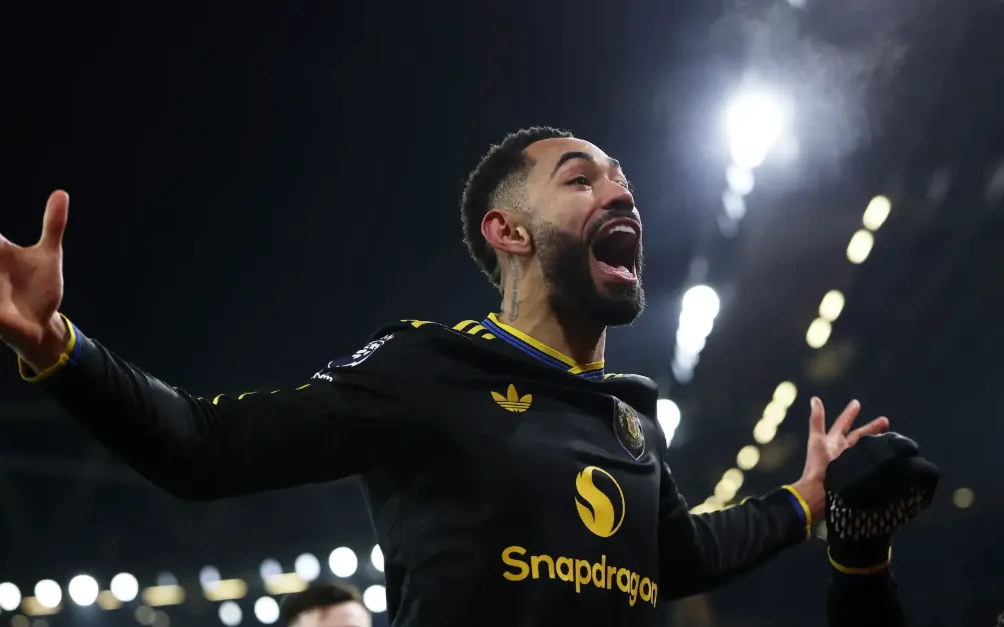
To understand the scale of this decision, it’s essential to look back at how ticket pricing has evolved at Old Trafford over the past decade.
- 2015-2019: Prices remained relatively stable, with average increases of 2-3% per season, often in line with inflation.
- 2020-2022: The pandemic saw a freeze on prices, with the club even offering refunds for unplayed matches.
- 2023-2024: A modest 4% rise was introduced as crowds returned in full force.
- 2025: The current 5-8% hike represents the steepest single-season increase since the 2010-2011 season, when prices jumped by nearly 10% following the club’s Champions League final appearance.
This pattern suggests that the club is now more aggressive in monetizing its matchday experience, a trend seen across the Premier League. Arsenal, for instance, raised its season ticket prices by 5% in 2024, while Tottenham Hotspur has consistently increased prices by 4-6% annually since moving to the Tottenham Hotspur Stadium.
Fan Reactions: A Mixed Response from the Stretford End
Unsurprisingly, the announcement has not been universally welcomed. Fan groups, including the Manchester United Supporters’ Trust (MUST), have expressed disappointment, arguing that the club is pricing out its working-class roots.
One season ticket holder of 30 years commented on social media: “I understand the business side, but it feels like the club is forgetting who built this place. The atmosphere is already suffering because families can’t afford to come as often. This will only make it worse.”
However, there is also a segment of the fanbase that views this as a necessary evil. A younger fan, speaking on a Mcw podcast, noted, “If it means we can afford a new striker in the summer window, I’ll pay a little more. It’s a cycle—you want better players, you have to fund them somehow.”
Impact on Matchday Atmosphere and Attendance
One of the most pressing concerns is the potential effect on Old Trafford’s famous atmosphere. The “Theatre of Dreams” has already come under scrutiny in recent seasons for being too quiet during key matches. Experts fear that higher prices will accelerate the trend of tourists and corporate clients replacing die-hard locals, which could dampen the vocal support that intimidates opposing teams.
Balancing Commercial Success with Fan Loyalty
The challenge for Manchester United is to balance its commercial ambitions with the cultural heritage that makes the club special. Dr. Mark Jenkins, a sports economist, explained in an analysis shared by Mcw that “the elasticity of demand for Premier League tickets is surprisingly low—fans will still pay. But the risk is long-term brand erosion. If the connection between the club and the community weakens, you lose the intangible asset that money can’t buy.”
How Will This Affect Champions League and Premier League Ambitions?
From a purely strategic standpoint, the extra revenue could be a game-changer for manager Rúben Amorim’s plans. With the club currently in a rebuilding phase, every million counts.
- Transfer Flexibility: An estimated additional £15-20 million from ticket sales across all competitions gives the club more room to maneuver in January and summer windows.
- Squad Depth: The funds could be crucial in recruiting high-quality backups for key positions, a luxury United has lacked in recent seasons.
- Youth Development: Part of the revenue is reportedly designated for upgrading the Carrington training facility, which is vital for nurturing the next generation of stars.
What Should Fans Do Next?
For those planning to attend matches, the advice is clear: act early. With prices rising, demand for the most affordable seats will skyrocket.
- Season Tickets: Current holders should renew promptly to lock in their seats before any further increases.
- Single Match Tickets: For non-season ticket holders, the club’s official ticket exchange is the safest route. Be wary of secondary markets that often inflate prices by 20-30% above face value.
- Memberships: Consider joining the official membership scheme. While it adds an upfront cost, it often grants priority access to tickets before general sale, potentially saving money in the long run.
Conclusion: Manchester United Ticket Prices: A Necessary Evolution or a Step Too Far?
The decision to increase Manchester United ticket prices is a complex one, reflecting the harsh realities of elite football in 2025. While it may alienate some long-time supporters, it also provides the financial firepower needed to compete at the highest level. The true test will come over the next 18 months. Will the extra investment result in silverware and a rejuvenated Old Trafford? Or will it further erode the soul of a club built on the passion of its working-class fans?
As the Red Devils prepare for another season under the floodlights, one thing is certain: the debate over ticket pricing is far from over. We want to hear from you—do you think this increase is justified, or is the club pricing out its heart and soul? Share your thoughts in the comments below, and don’t forget to explore more in-depth football analyses and exclusive interviews right here on our website. Your voice is the true heartbeat of the game.
