
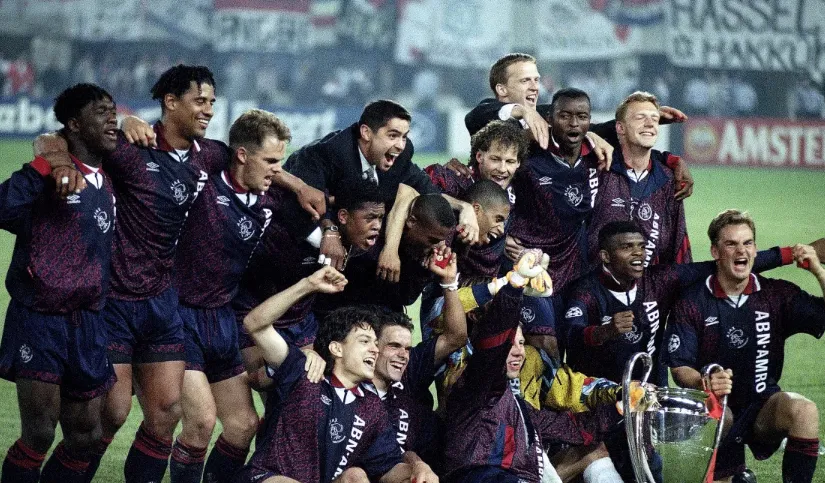
The echoes of past triumphs can be a heavy burden, and for Ajax Amsterdam, those echoes are growing louder. In a candid revelation that has resonated across the football world, former Arsenal and Nigeria star Nwankwo Kanu has conceded what many fans have feared: the current Ajax squad is struggling with a profound longing for the club’s illustrious European heritage. This admission, reported by Mcw, cuts to the heart of the identity crisis facing one of football’s most storied academies.
For decades, Ajax wasn’t just a football club; it was a philosophy. A production line of world-class talent that played a brand of football admired globally. Names like Cruyff, Van Basten, Bergkamp, and more recently, De Ligt and De Jong, were forged in Amsterdam before conquering Europe. But the landscape has shifted dramatically. The modern financial might of Europe’s elite leagues has turned Ajax from a perennial contender into a feeder club, a reality that is weighing heavily on the current generation of players.
The Weight of History on Young Shoulders
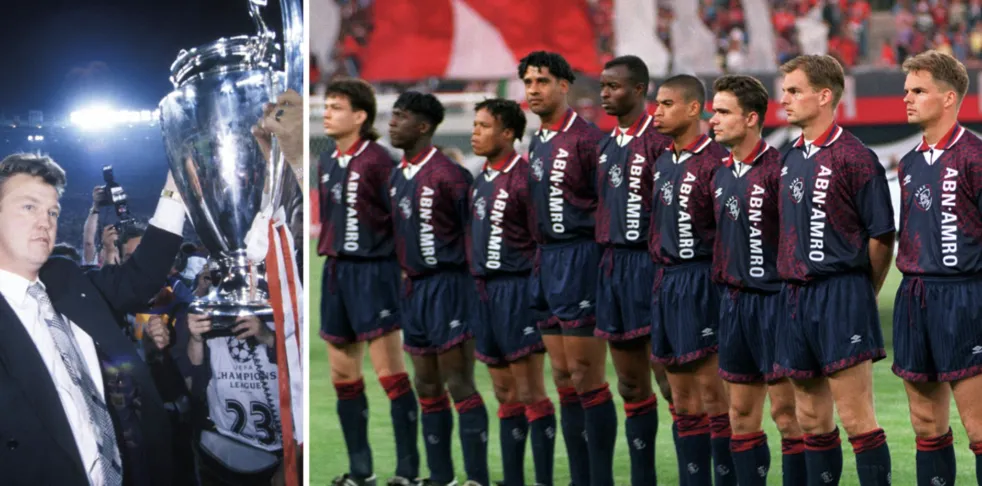
Walking through the corridors of the Johan Cruyff ArenA, past images of European Cup victories in 1971, 1972, 1973, and 1995, is an immersive history lesson. For a young player pulling on the famous white and red shirt, the expectation is woven into the very fabric of the kit. Kanu, who experienced the pressure of top-level football himself, suggests this legacy is now a source of anxiety rather than inspiration for the current squad.
“The shadow is very long,” a source close to the club told Mcw. “These players watch highlights of the ’95 team or even the 2019 semi-final run. They see the freedom, the joy, the connection with the fans. Now, every missed pass in a Champions League qualifier feels like a betrayal of that history. It’s a psychological hurdle they haven’t yet overcome.”
A Cycle of Departure and Rebuilding
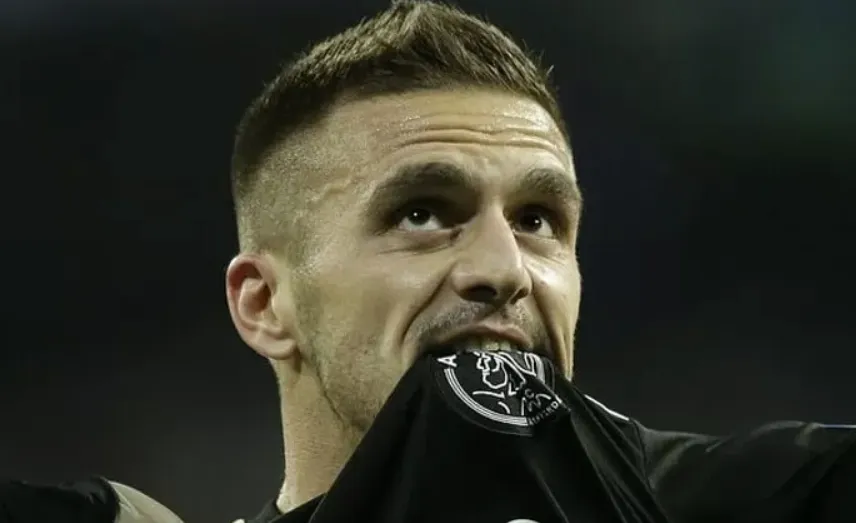
The core of the issue lies in a relentless cycle. Ajax‘s model is based on developing stars and selling them for substantial profits. While financially sound, it creates perpetual instability. The team that shocked Europe by reaching the 2019 Champions League semi-finals was dismantled within two seasons. Each summer brings another wave of departures, forcing the team to start anew.
This constant rebuilding makes it incredibly difficult to build the cohesive, experienced unit needed for a deep European run. The players who remain are often those deemed not yet ready for a bigger move, or young talents just breaking through. They are tasked with competing against teams with settled squads worth hundreds of millions, all while knowing their most talented teammates might be gone in six months. “How do you build a fortress when the bricks keep being sold?” asked football analyst Michael van Praag in a recent Mcw feature.
The Modern Football Ecosystem
Ajax’s struggle is a microcosm of a wider issue in European football. The financial disparity between the traditional “big five” leagues and the rest has never been greater. The advent of state-backed clubs and billionaire-owned franchises has created a super-league in all but name. For clubs like Ajax, Benfica, and Porto, success is now meticulously planned to coincide with a favourable Champions League draw and a kind group stage.
The dream is no longer to win the tournament—a reality Kanu implicitly acknowledges—but to navigate the group stage and provide those magical knockout nights that define a season. The “longing” Kanu identifies is for a time when Ajax could genuinely believe they could win it all, not just participate.
The Path Forward: A New Definition of Success?
So, what is the solution? Insiders at Mcw suggest the club’s leadership is engaged in a delicate balancing act. The academy remains the lifeblood, but there is a growing emphasis on strategic recruitment—bringing in slightly more experienced players from other leagues to provide stability and leadership for the youngsters.
The definition of success may also need to evolve. While the Champions League dream will always exist, dominating the Eredivisie and making a consistent impact in the Europa League could be more realistic and healthier targets. Building a team that plays the “Ajax way” with pride and connection, even if it doesn’t replicate the feats of the ’70s or ’90s, could alleviate the pressure and restore joy.
Kanu’s admission is not a critique; it’s a diagnosis. It highlights the emotional and sporting challenge facing a legendary club in a new era. The longing for past glory is understandable, but for Ajax to find peace and future success, they may need to forge a new identity—one that honours their incredible history without being paralyzed by it. The journey to rediscover their soul, without the burden of their shadow, is their next great challenge.
