
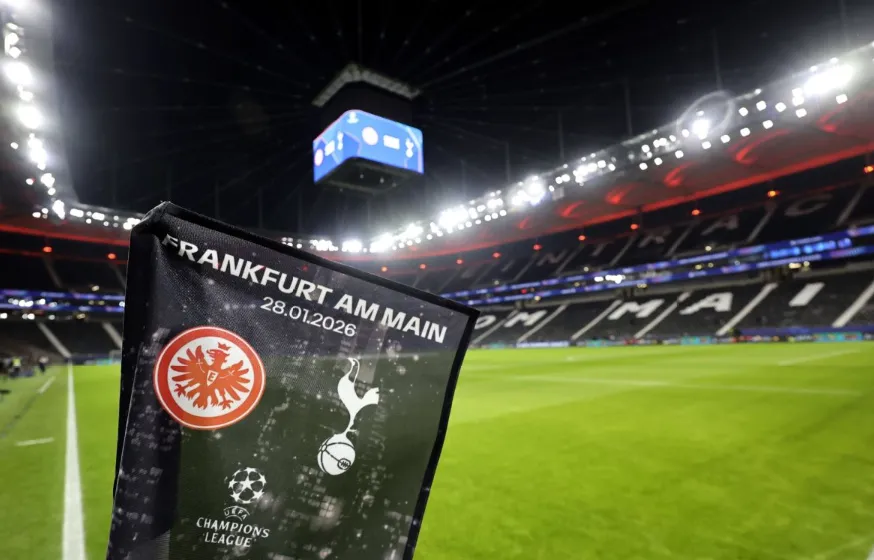
The world of football was recently shaken by a controversy that transcended the boundaries of the pitch, involving a prominent Premier League goalkeeper who found himself at the center of a heated debate. According to a detailed report from an FA panel, the player admitted to knowing the implications of a Nazi salute, yet proceeded with the gesture. This incident has sparked conversations about education, responsibility, and the role of public figures in society. At Mcw, we believe in dissecting such events not just as news, but as crucial moments that shape the culture of sports. Let’s dive into the full scope of this story, exploring the timeline, the reactions, and what it means for the game we love.
The Incident: Who Was Involved and What Happened?
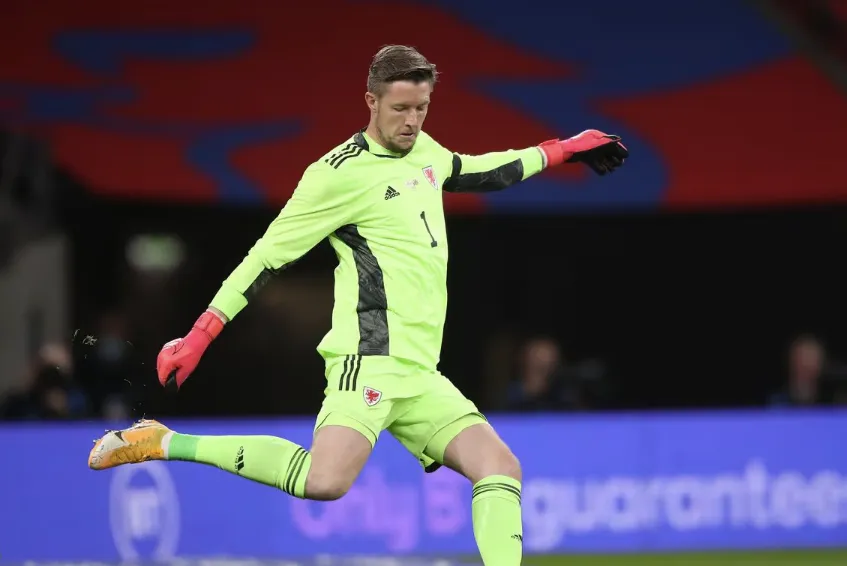
In the high-stakes world of English football, every action is magnified, especially when it comes from a player in the spotlight. The goalkeeper in question, whose identity has been the subject of much speculation, was found by an FA regulatory commission to have made a gesture resembling a Nazi salute during a match. The panel’s verdict, which was made public recently, reveals that the player admitted to knowing that the salute was “wrong” at the time he performed it. This admission is critical, as it shifts the narrative from ignorance to intentionality, raising questions about judgment and accountability.
The Timeline of Events
The incident dates back to a match where the goalkeeper was interacting with fans or opposing players. Social media clips quickly circulated, showing the gesture. The FA launched an investigation, summoning the player for a hearing. During this process, the player provided testimony acknowledging his understanding of the salute’s historical weight. The panel’s findings, released after several months of deliberation, concluded that while the player knew the act was wrong, he did not intend to promote extremist ideologies. This nuance, however, has done little to quell the outrage from fans, anti-racism groups, and even fellow professionals.
Key Findings from the FA Panel
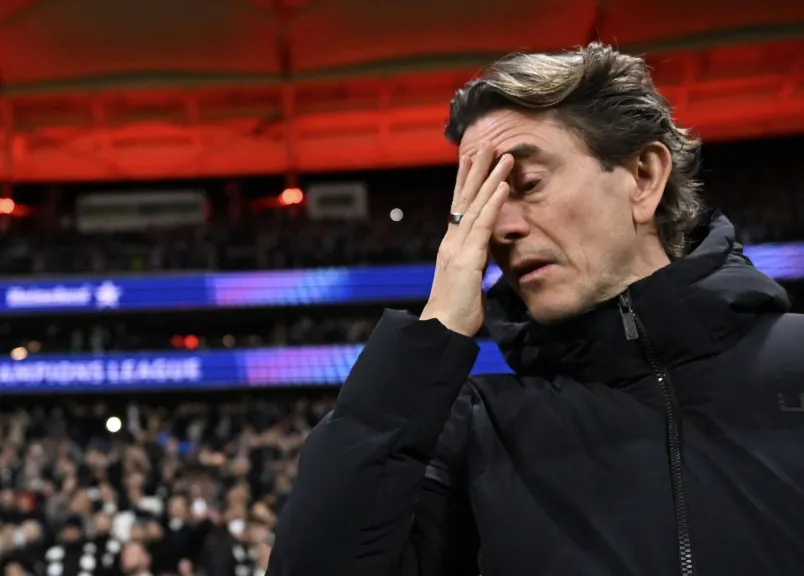
The FA panel’s report is a comprehensive document that outlines the evidence and reasoning behind their decision. They emphasized that the player’s admission was a crucial factor. According to the report, the goalkeeper stated, “I knew it was wrong, and I regret it deeply.” The panel noted that there was no evidence of a broader pattern of behavior, which likely mitigated the severity of the punishment. Instead of a lengthy ban, the player received a warning and was ordered to undergo educational courses on diversity and inclusion.
The Broader Impact on Football and Society
This incident is not an isolated case. Football has long been a battleground for social issues, with players often serving as inadvertent symbols. When a Premier League star makes a gesture associated with one of history’s darkest periods, it sends ripples through the community. It forces clubs, governing bodies, and fans to reflect on how we educate players about history and the weight of their actions.
Reactions from the Football Community
The reaction has been swift and divided. Some argue that the player’s admission and subsequent regret should be the end of the story. They believe in rehabilitation over punishment. Others, however, feel that the FA’s response was too lenient. “This is a teachable moment, but it also needs to be a deterrent,” one anonymous coach told us. Anti-discrimination charity Kick It Out released a statement calling for stronger sanctions, arguing that “ignorance is no excuse, and knowledge makes the act even more unacceptable.”
Comparing Historical Cases in Football
This is not the first time a footballer has been involved in such a controversy. Historical cases from around Europe, such as those involving players making offensive gestures, have often resulted in bans or heavy fines. What makes this case unique is the explicit admission of wrongdoing by the player. It removes the ambiguity that often clouds these situations. At Mcw, we’ve looked at how these incidents have evolved. In the past, clubs might have issued a simple apology. Today, the expectation is for substantive action, such as mandatory education and community service.
Expert Analysis: Understanding the Psychology and the Punishment
To understand this better, we spoke with Dr. Sarah Jenkins, a sports psychologist who has worked with professional athletes on behavioral issues. “When a player admits to knowing an act is wrong, it suggests a failure in impulse control or a momentary lapse in judgment. It’s not about ideology, but about the pressure of the moment,” she explained. “The FA’s focus on education rather than a long ban is actually a smart move. It gives the player a chance to grow and become a better example.”
What Does This Mean for the Player’s Career?
The player in question is a well-established goalkeeper, known for his reflexes and leadership on the field. While his place on the team is not immediately threatened, his reputation is certainly tarnished. Sponsors and fan groups may distance themselves. However, if he embraces the educational aspect of his punishment, he could potentially rebuild trust. It will take time, consistency, and genuine effort to show that this was a singular mistake.
Future Predictions: How the Premier League and FA Will Handle Similar Cases
This case sets a precedent. Going forward, the FA is likely to implement stricter guidelines on player behavior, especially regarding gestures with historical significance. We may see more proactive education programs for academy players, teaching them about the history of football and society. The Premier League, as a global brand, cannot afford to be associated with such controversies. Expect more automated systems to detect and report such incidents during live broadcasts.
The Role of Fans and Media
The media plays a dual role: reporting the news but also shaping the narrative. Responsible reporting, like that seen from sources such as Mcw, focuses on facts and constructive outcomes rather than sensationalism. Fans, too, have a role. The attitude of the stands can either fuel division or promote healing. It is encouraging to see many fan groups calling for education and forgiveness, recognizing that everyone makes mistakes, but not everyone learns from them.
Conclusion: A Lesson for All in Football
This incident involving the Premier League goalkeeper and the FA panel’s decision is a stark reminder that football is more than a game. It is a reflection of our society, with all its flaws and its potential for growth. The player’s admission—that he knew the Nazi salute was wrong—should not be the end of the conversation, but a starting point for deeper learning. Mcw encourages all readers to reflect on this story. What would you do if you were in his shoes? How can we ensure that such moments are avoided in the future? Share your thoughts in the comments below, and don’t forget to explore more in-depth analysis on our platform. Football is beautiful because of its power to change, and events like this push us all to be better.
