

The football world has been captivated by the meteoric rise of Lamine Yamal. At just 17 years old, the Barcelona and Spain prodigy has already shattered records, won a European Championship, and become a cornerstone of both his club and national team. However, a pressing question is now dominating conversations among analysts and fans alike: Is Lamine Yamal headed for burnout? As we analyze his staggering minutes on the pitch and the physical demands of modern football, the warning signs are becoming impossible to ignore. This isn’t just about a young player getting tired; it’s about the potential derailment of one of the most promising careers we have ever seen.
The Phenomenon: Who is Lamine Yamal?
To understand the severity of the situation, we must first appreciate the player. Lamine Yamal Nasraoui Ebana isn’t just a regular teenager breaking into the first team; he is a generational anomaly. His debut for Barcelona at the age of 15 turned heads, but his consistent performances at the highest level have turned the footballing world on its head. Equally comfortable cutting in from the right wing or drifting centrally, his vision, dribbling ability, and composure in front of goal are attributes usually found in veterans in their prime.
A Star Forged in Fire
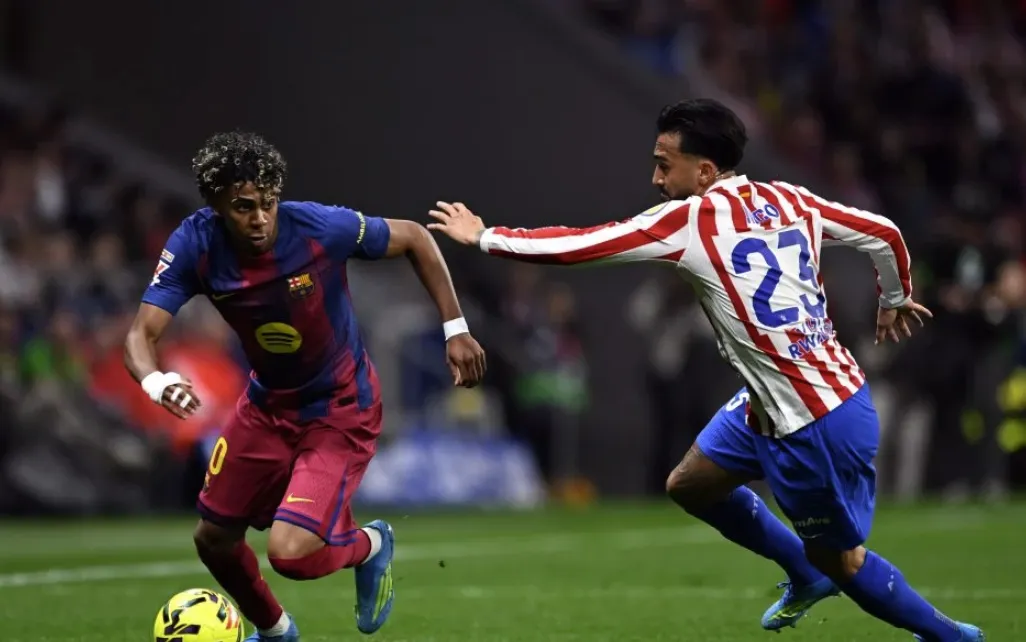
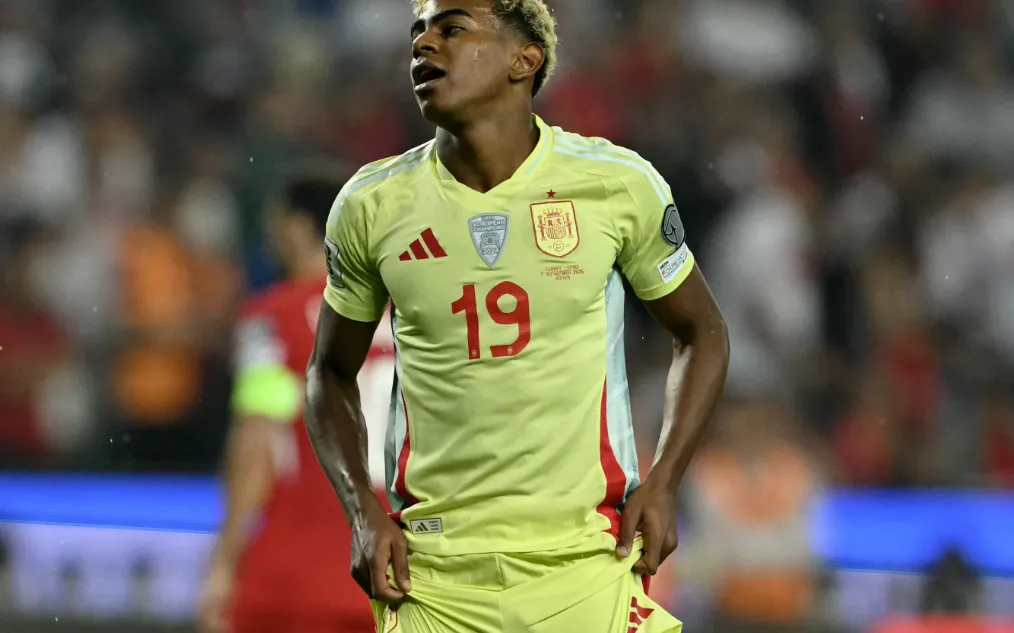
Yamal‘s breakthrough season with Mcw‘s favorite La Liga club, Barcelona, saw him become an indispensable asset under Xavi Hernandez. He didn’t just feature in easy games; he was thrown into the deep end of El Clasico, Champions League nights, and high-pressure title races. His performances were so mature that he quickly became a starter for Spain, where he famously dazzled at Euro 2024, scoring a stunning goal against France and helping La Roja lift the trophy. This immediate success, however, came with a hidden cost: an immense physical toll.
The Red Flag: Monitoring the Minutes
The core of the burnout argument rests on numbers. Since his debut, Yamal has played an extraordinary amount of football for a player his age. He is already a regular for both the senior Barcelona side and the Spanish national team, participating in international tournaments during the summer breaks that are supposed to be for rest and development.
A Schedule Built for Adults
Unlike previous teenage sensations who were gradually introduced to senior football, Yamal has been treated as a linchpin. He is consistently playing 70-90 minutes per game, week in and week out. The absence of a proper off-season is alarming. After a grueling club campaign, he immediately transitioned to the Euros, followed by Olympic games speculation, and then back into a new La Liga season. This continuous cycle of high-intensity matches leaves very little time for his body—still not fully mature—to recover.
- Club Commitment:He is expected to start Barcelona’s most crucial matches, often being the team’s primary creative outlet.
- National Team Duty:Spain relies on his flair and unpredictability. This adds a significant number of competitive fixtures to his calendar.
- Travel Fatigue:Constant travel for Champions League away games and international breaks exacerbates the physical and mental drain.
A Schedule Built for Adults
The Physical and Mental Toll on a Teenager
Playing professional football at the top level is not just about running; it involves constant collisions, explosive sprints, and extreme mental concentration. A 17-year-old body is still developing its bone density, muscle mass, and hormonal balance. Pushing it beyond its limits can lead to specific injuries.
The Injury Risk
Dr. James Morrison, a leading sports physiologist, often notes that “adolescent athletes who play more than 18-20 competitive matches per season without significant rest are at a dramatically higher risk of stress fractures and soft tissue injuries.” Yamal is currently operating well above that threshold. We are already starting to see minor niggles and muscle fatigue that force him to miss training sessions—classic early warning signs of burnout.
The Mental Fatigue
Beyond the physical, the mental weight on Lamine Yamal is immense. He carries the hopes of the Camp Nou crowd and an entire nation. Every touch of the ball is analyzed, every game is a referendum on his future. At an age where most teenagers are worried about exams and social lives, Yamal is facing the pressure of legendary status. This mental fatigue can be just as dangerous as physical exhaustion, leading to a loss of joy in the game, decreased motivation, and ultimately, a plateau in development.
Comparative Analysis: History as a Teacher
We have seen this story before, and it rarely ends well. The history of football is littered with prodigies who burned bright but faded fast.
The Cautionary Tales
- Bojan Krkic:A La Masia graduate who scored goals for fun at Barcelona’s youth levels and broke into the first team early. The immense pressure and constant playing time led to anxiety issues and a career that never reached its predicted zenith.
- Ronaldo Nazário (O Fenômeno):While he achieved incredible heights, his early career at PSV and Barcelona, combined with a punishing physical style, led to catastrophic knee injuries that robbed him of his prime years.
- Dele Alli:While not a teenager, the modern schedule of constant high-intensity games and a lack of rotational rest saw his career plummet from world-class to obscurity due to physical and mental burnout.
Yamal’s current path is eerily similar. He is following a trajectory of heavy minutes that precedes a major injury crisis or a significant drop in form.
Where Barcelona Must Intervene
The responsibility to protect this diamond falls squarely on the shoulders of Barcelona’s coaching staff and management. Xavi Hernandez, and now Hansi Flick, must be proactive rather than reactive.
Managing the Workload:
- Strategic Rotation:Yamal needs to be rested against lower-tier opponents. Raphinha and Ferran Torres are capable deputies. Yamal should be saved for the critical 10-15 games a season that truly define the outcome of trophies.
- Substitution Strategy:Unless a game is on a knife’s edge, he should rarely, if ever, play a full 90 minutes. Subbing him off at the 70-minute mark should be standard practice to preserve his legs.
- Off-Season Mandates:The Spanish FA and Barcelona must coordinate to ensure Yamal gets a real break. He should not be called up for non-essential international friendlies.
Conclusion: The Future is Bright, But Handle With Care
Lamine Yamal is not just a footballer; he is a once-in-a-generation talent who has the potential to dominate the sport for the next 15 years. However, that future is precarious. Lamine Yamal is headed for burnout if the current trajectory of his workload continues unchecked. The warnings are clear in the data, the history books, and in his growing physical struggles.
For the sake of the player’s health and the sheer joy of watching his art, Mcw recommends that the football community calls for better management. Clubs and federations must prioritize the athlete’s well-being over short-term victories. Let’s hope that Barcelona and Spain learn from the past and protect this gem, allowing us to watch him flourish into the legend he is destined to become, rather than a cautionary tale of what could have been.
What do you think? Are Barcelona using Yamal too much? Share your thoughts in the comments below and explore our other analyses on the future of football’s brightest stars.
