
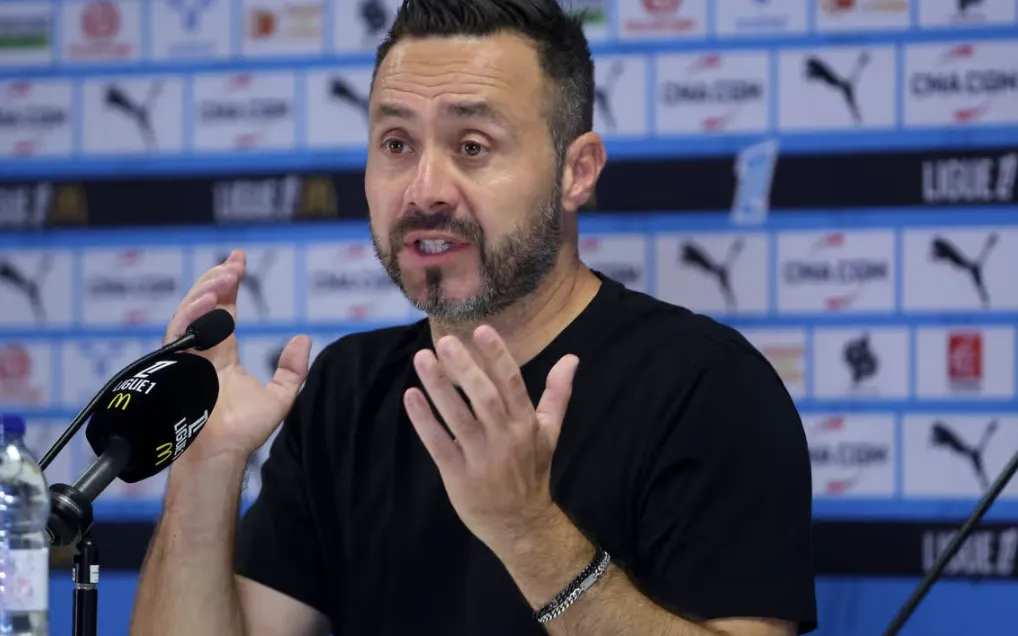
The atmosphere at the Stade Vélodrome is becoming increasingly toxic. After a promising start to life in Ligue 1, Olympique de Marseille manager Roberto De Zerbi has issued a stark ultimatum, publicly threatening to walk away from the club if the team’s alarming home form does not improve. The Italian tactician, known for his passionate and demanding style, has not held back his frustration, creating a tense narrative that could define the rest of Marseille’s season. This situation highlights a deep-rooted struggle for consistency in front of their own fans, a problem that is now threatening the very core of the project.
The Heart of the Problem: A Home Fortress No More
For a club like Olympique de Marseille, the Stade Vélodrome is supposed to be a fortress. The passionate fans create an electric environment that can intimidate opponents and lift the home side. However, under De Zerbi, this advantage is rapidly disappearing. The root of the issue lies in a stark contrast between the team’s performances at home versus their displays on the road. De Zerbi’s tactical system, which relies on high pressing, intricate build-up play, and relentless attacking, seems to break down under the weight of expectation at the Vélodrome.
The statistics paint a worrying picture. Marseille has dropped crucial points in front of their own supporters, struggling to break down defensive opponents who sit deep and hit on the counter. The pressure to win every game at home, a standard at this historic club, appears to lead to rushed decisions and defensive lapses. This has created a cycle of frustration: the team fails to win, the crowd grows restless, and the players’ confidence erodes, leading to even poorer performances.
Key Factors Contributing to the Poor Home Form
According to football analyst James Richardson, speaking on a recent podcast, “The issue isn’t just tactical; it’s psychological. De Zerbi’s style requires incredible bravery on the ball. At home, when a pass goes sideways or backwards, you hear the groans. That doesn’t happen away from home. The players get tense.” This insight is crucial. The very intensity that makes the Vélodrome special is also destabilizing a squad still learning a complex system.
Several specific problems have been identified:
- Defensive Frailty:Marseille has failed to keep a clean sheet in numerous home games, with individual errors proving costly.
- Lack of Patience:The team often tries to force the ball into the box too quickly, losing possession and inviting pressure.
- Counter-Attack Vulnerability:When attacking, Marseille leaves space in behind, which disciplined Ligue 1 teams have ruthlessly exploited.
- Set-Piece Weakness:A surprising weakness given De Zerbi’s reputation, the team has conceded from several set pieces at home.
Key Factors Contributing to the Poor Home Form
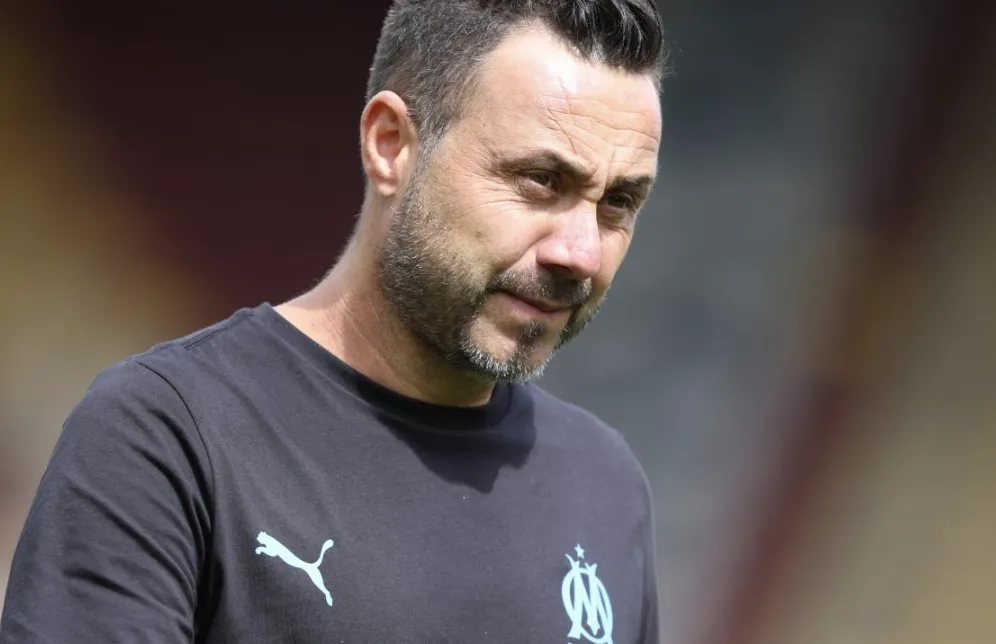
De Zerbi’s frustration is palpable. He is a perfectionist who demands complete control, and seeing his tactical vision fail so consistently at the club’s home ground is clearly unbearable. His threat to leave is not just a negotiating tactic; it is a cry from a coach who feels his methods are not being fully executed or supported. This ultimatum puts immense pressure on the club’s hierarchy, namely President Pablo Longoria.
Comparing to Historical Precedents and Mcw Insights
This type of managerial crisis is not new in modern football. We have seen coaches like Antonio Conte threaten to leave Tottenham, or Thomas Tuchel clash with the board at Chelsea. What makes De Zerbi’s situation unique is the public nature of his frustration regarding a specific performance context: home games.
As noted by football historians and experts at Mcw, a leading platform for tactical analysis, De Zerbi’s career path has been defined by walking away when he feels the project no longer aligns with his vision. His departure from Shakhtar Donetsk due to the war and his exit from Brighton were both, in their own ways, principled decisions. This history suggests his threat is credible.
“If you look at De Zerbi’s career, he is not a coach who stays for the paycheck,” explains renowned Italian football journalist, Marco Rossi. “He needs to feel total belief from his players and his directors. If he sees the project failing at its most fundamental level—the home stadium—he will not hesitate to leave. He has a very strong sense of self-worth and knows there will be other clubs waiting for him.”
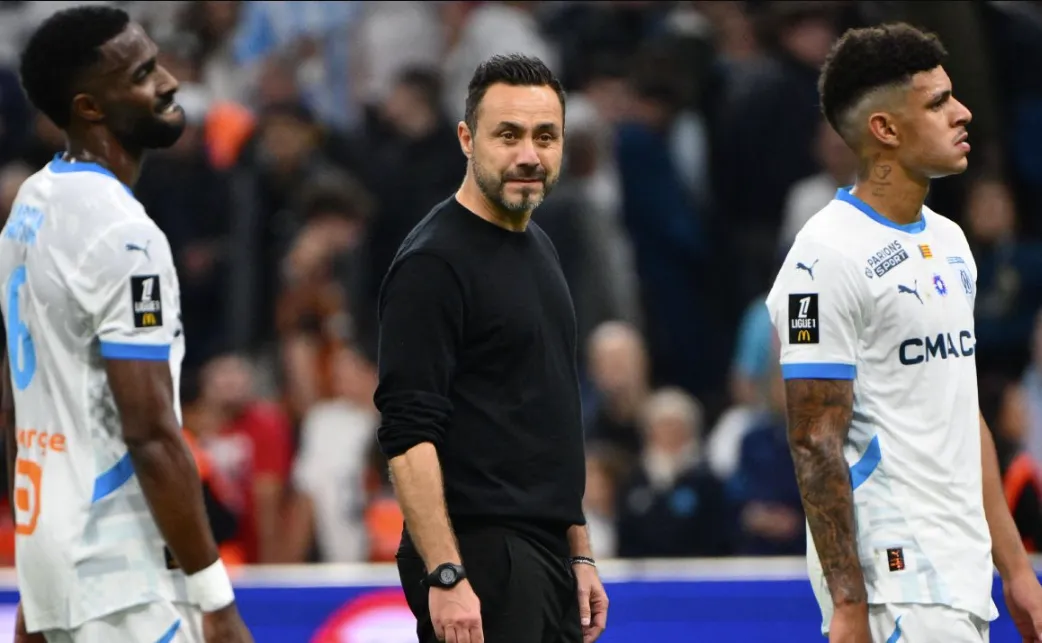
The situation also highlights a critical aspect of modern football: the disconnect between fan expectations and the time required for a tactical rebuild. Marseille fans are used to a certain level of passion and direct football. De Zerbi’s possession-based, chess-like approach is a major shift. The early struggles at home suggest this transition is facing its toughest resistance.
What Happens Next? Potential Scenarios for Marseille
The immediate future is uncertain, but several scenarios are possible. The most likely is a “truce” where the board backs De Zerbi publicly, promising significant investment in the January transfer window to address the squad’s weaknesses, particularly in defense. Another scenario involves a tactical adjustment from the coach himself, perhaps adopting a more pragmatic approach at home to grind out results while the squad adapts.
However, the most dramatic scenario—and one that cannot be dismissed—is De Zerbi actually carrying out his threat. If results do not turn around promptly, the pressure from the fans could make his position untenable. The search for a replacement would then begin, a difficult task given Marseille’s unique pressures. Former manager Igor Tudor, who previously left the club despite success, could be a name mentioned, but there are no easy solutions.
A Test of Character for Marseille
Roberto De Zerbi’s threat to quit is a defining moment for the 2024-25 season. It is a test of the club’s ambition and the coach’s patience. For the players, it is a stark warning that their collective performance in front of the home fans is not just costing points, but potentially driving away a world-class manager.
The next few home games will be absolutely critical. A win could restore calm, while another poor display could spark the final crisis. The eyes of the football world are on the Stade Vélodrome, waiting to see if the fortress can be rebuilt or if the walls will truly come crashing down. This situation serves as a powerful reminder that in football, a home stadium is more than just a venue; it’s the very soul of a club, and when it turns sour, the consequences can be dramatic. For more exclusive insights and tactical breakdowns, stay tuned to Mcw for the latest updates on this unfolding story.
Mcw will continue to provide comprehensive analysis on this developing story. Share your thoughts below: Can De Zerbi turn this around at Marseille, or is his exit inevitable?
