
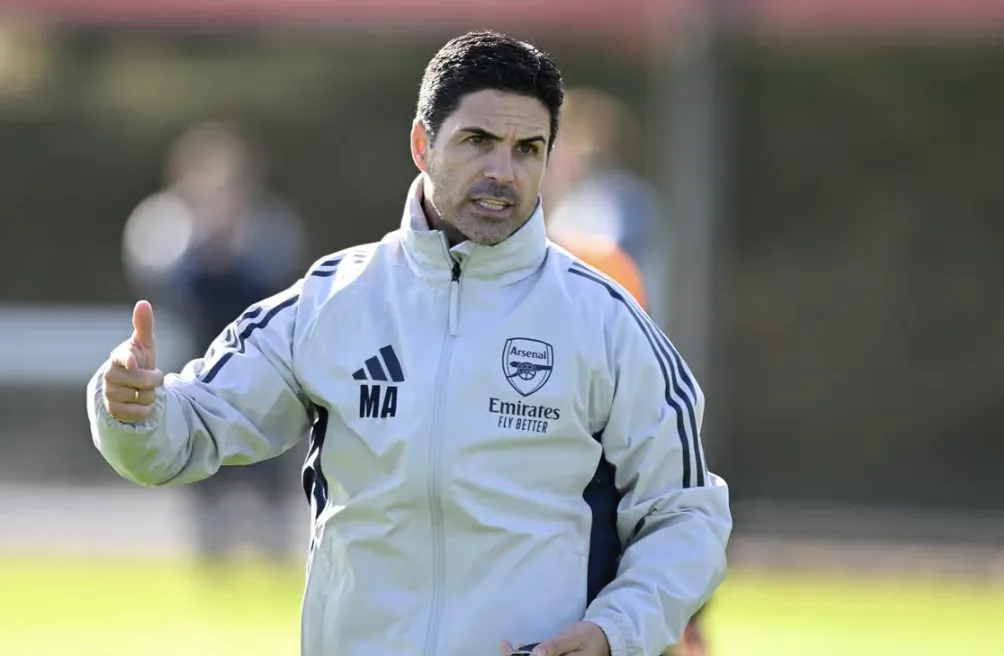
The Carabao Cup final between Manchester City and Arsenal was more than just a trophy decider; it was a chess match between two of the Premier League’s sharpest tactical minds. For fans looking to understand the deeper layers of the game, this match offered a masterclass in adaptation, pressure, and missed opportunities. Here at Mcw, we dive deep into what happened, why it mattered, and how it shapes the future for both clubs.
The Tactical Setup: Arteta’s Plan vs. Guardiola’s Machine
Mikel Arteta, a former assistant to Pep Guardiola, had a clear strategy from the first whistle. He aimed to disrupt Manchester City’s rhythm by pressing high and compressing the space in midfield. Arsenal lined up in a 4-3-3 formation, with the full-backs pushing high to pin back City’s wingers.
However, Manchester City, true to their identity under Guardiola, did not flinch. They responded with a fluid 4-2-3-1 that often morphed into a 3-2-5 in possession. Rodri dropped deep between the center-backs, allowing John Stones and Kyle Walker to push forward. This created a numerical overload in midfield, a classic Guardiola tactic that Arsenal struggled to counter.
Key Moments and How They Unfolded
The first half was a tense affair, with both teams canceling each other out. Arsenal had the better chances early on, with Bukayo Saka forcing a sharp save from Ederson in the 12th minute. But City grew into the game.
The Turning Point: In the 38th minute, a defensive lapse from Gabriel Magalhães allowed Erling Haaland a free header from a corner. The Norwegian striker, as clinical as ever, powered the ball past David Raya. This goal highlighted a recurring issue for Arsenal: set-piece vulnerability under pressure.
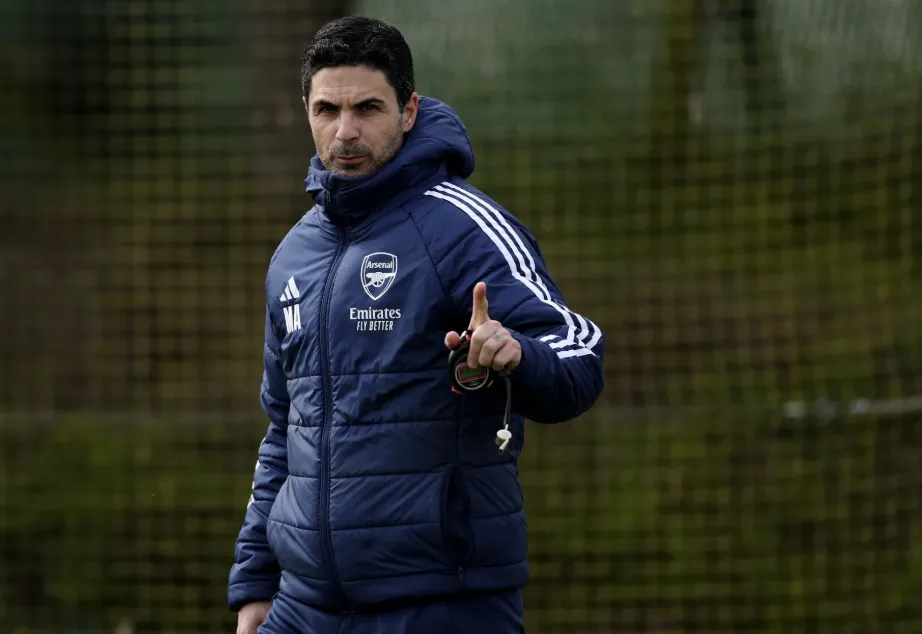
In the second half, Arteta made a bold switch. He replaced Thomas Partey with Jorginho to gain more control in midfield. This adjustment stabilized Arsenal, and they began to dominate possession. Martin Ødegaard started finding pockets of space between City’s lines, creating several half-chances.
Player Performances: Who Stepped Up and Who Struggled?
Every final has heroes and villains. Let’s break down the standout performers.
Manchester City’s Key Contributors
- Erling Haaland:Beyond his goal, Haaland’s physical presence terrified Arsenal’s backline. He won seven aerial duels and held up the ball brilliantly, allowing City to push forward.
- Rodri:The midfield maestro dictated the tempo. He completed 92% of his passes and made four interceptions, breaking up Arsenal’s attacks with ease.
- Ruben Dias:A rock at the back, Dias made crucial blocks and communicated well to organize the defense under late Arsenal pressure.
Arsenal’s Bright Spots
- Bukayo Saka:Despite being double-marked, Saka was Arsenal’s most dangerous outlet. He completed five dribbles and had three shots on target, showing his resilience.
- Declan Rice:The summer signing covered every blade of grass. He made ten ball recoveries and almost equalized with a powerful strike that was tipped over by Ederson.
- David Raya:While he conceded, Raya made four important saves to keep Arsenal in the game, including a point-blank stop from Julian Alvarez.
Arsenal’s Bright Spots
Expert Analysis: What Arteta Needs to Fix
According to professional analyst and former Premier League scout, James Richards, “Arsenal’s lack of a true, clinical number nine is exposed in these big games. They create chances, but they don’t have a Haaland-esque finisher. Arteta’s tactics were sound, but he still hasn’t solved the riddle of breaking down a deep-lying City block.”
Another critical point was Arsenal’s inability to maintain concentration after scoring a potential equalizer. In the 72nd minute, Leandro Trossard had a goal disallowed for a marginal offside. Instead of regrouping, Arsenal lost focus, allowing City to counter and score a second goal through Phil Foden just five minutes later.
Lessons for the Future
For Arsenal to truly challenge, they need to:
- Improve Set-Piece Defense:This was their Achilles’ heel last season and continues to cost them.
- Find a Plan B:When Plan A (high press) fails, they need a more direct approach.
- Mental Fortitude:Staying cool after controversial decisions is vital in finals.
On the other hand, Manchester City showed why they are the best. Guardiola’s ability to adapt mid-game, moving Bernardo Silva into a deeper role to overload Arsenal’s press, was genius.
Final Thoughts and What It Means for the Rest of the Season
This Carabao Cup final was a defining moment for both teams. For City, it’s another trophy in a golden era. For Arsenal, it’s a painful lesson but a valuable one.
Mikel Arteta’s Carabao Cup final performance against Manchester City showed he is tactically capable of matching the best, but execution on the day fell short. The Gunners are close—very close—but there remains a gap between contenders and champions.
What do you think? Can Arsenal finally dethrone Manchester City next season? Share your thoughts in the comments below! And for more in-depth analysis, stats, and exclusive content, keep following Mcw – your ultimate destination for football insights and betting previews.
Don’t forget to explore our latest articles on Premier League predictions and transfer rumors. Stay ahead of the game with Mcw
