
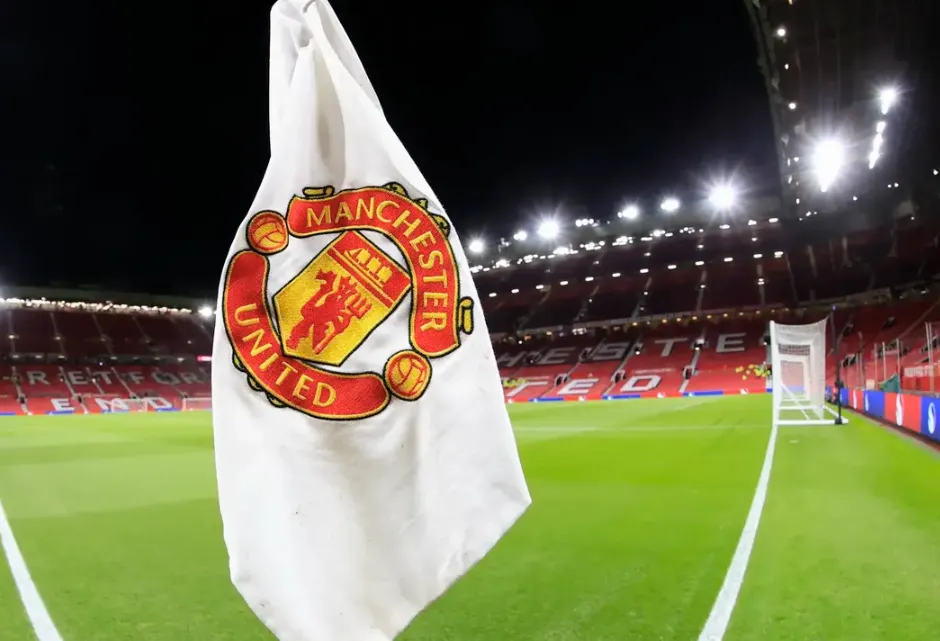
The financial landscape of football is a fascinating paradox, and perhaps no club embodies this more than Manchester United. In a move that has sent ripples through the sports business world, the club has unveiled record revenues for the recent fiscal period. As a commentator who has followed the Red Devils through thick and thin, this news presents a classic tale of two halves. Let’s break down what these numbers really mean, how they compare to United’s historic financial highs and lows, and what this signals for the future. This analysis, brought to you by Mcw, will look beyond the headline figures to understand the strategy at Old Trafford.
The Financial Powerhouse: Revenue Secrecy No More
Manchester United’s latest financial report is a testament to the enduring global power of the brand. The club reported a significant surge in total revenue, driven largely by a remarkable performance in commercial activities. This isn’t just about selling more jerseys; it’s about a sophisticated global network of sponsorship deals, retail operations, and marketing strategies that generate income regardless of the team’s performance on the pitch.
Commercial Growth and the Glazer Era Legacy
The commercial machine at United has been fine-tuned over the past two decades, a legacy often attributed to the strategic direction set during the Glazer family’s ownership. This period saw a massive expansion into new markets, particularly in Asia and the United States.
- Global Sponsorships:The club has signed a plethora of high-value deals, from shirt sponsors to regional partnerships. These are not short-term gains but multi-year agreements that provide a stable cash flow.
- Retail and Merchandising:The world-famous red jersey is a global icon. Every fan signing up for a new kit, whether in Bangkok, Lagos, or Los Angeles, contributes directly to this revenue stream.
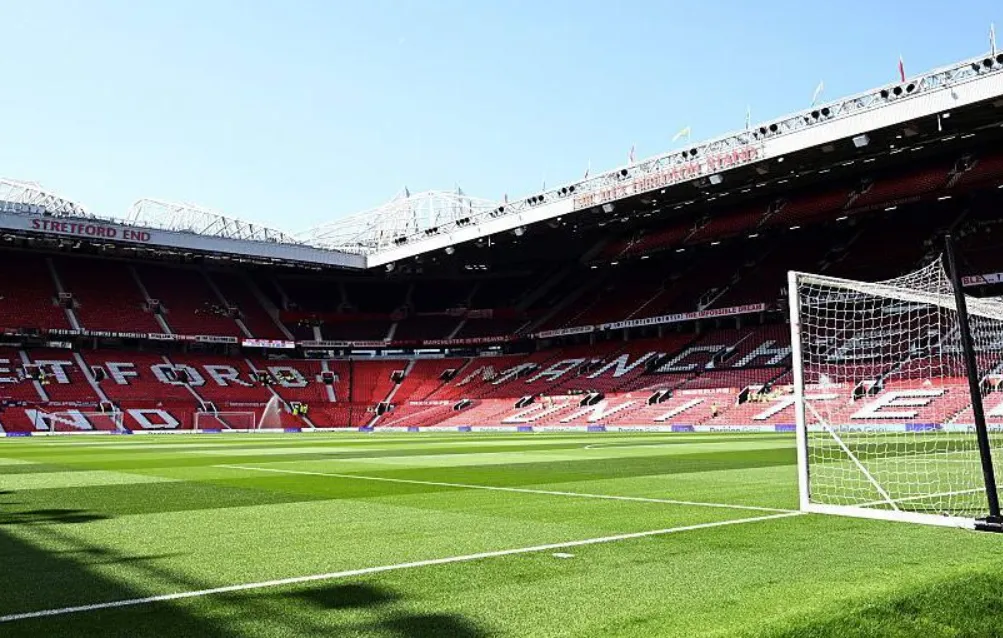
- Matchday Income:Despite the stadium’s aging infrastructure, Old Trafford remains a cathedral of football. Matchday revenue, from ticket sales to hospitality suites, continues to be a formidable contributor, filling the coffers even when the football hasn’t been top-tier.
Commercial Growth and the Glazer Era Legacy
On-Field Struggles: A Tale of Two Teams
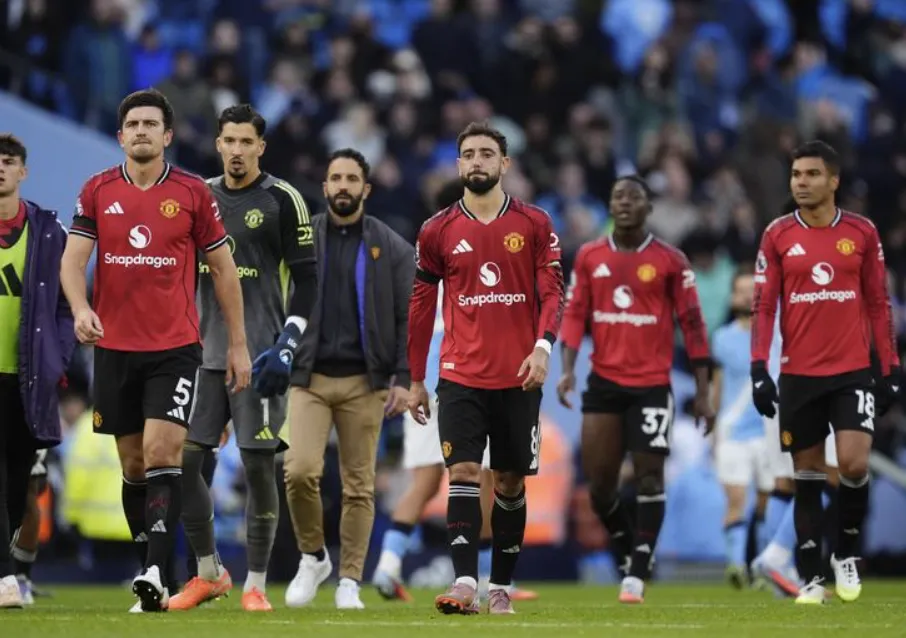
While the financial report paints a picture of a thriving business, the story on the pitch has been notably different. The recent seasons under Erik ten Hag, and now into a period of transition, have been defined by inconsistency, tactical flux, and a failure to seriously challenge for the Premier League title or the Champions League.
Comparing Financial Might to League Performance
This is where the analysis becomes critical. Historically, high revenue correlates strongly with sporting success. Let’s compare a few key eras:
| Era | Key Revenue Driver | Premier League Position | Major Trophy | Comment from Mcw |
| 1999 Treble (Sir Alex’s Peak) | Matchday, Player Sales | 1st (Winners) | Champions League, FA Cup, PL | Legendary dominance on the field built the foundation for the commercial behemoth. |
| 2015-2018 (Post-Ferguson/van Gaal & Mourinho) | Global Sponsorships, TV Deals | 4th-6th | Europa League, FA Cup | Revenue boomed as commercial deals exploded, but squad quality and style declined. |
| 2023-2025 (Present Day) | Record Commercial Deals, Lower Matchday (due to capacity issues) | 8th – 5th | Carabao Cup, FA Cup | The paradox is at its peak. Record revenue, but the team is fighting for a Europa League spot. |
The table above highlights a worrying trend for the fanbase. The club’s commercial success has, for the first time, become almost entirely decoupled from its footballing success.
“For years, Manchester United could sell the dream of being the world’s biggest club. Now, they are selling the reality of being the world’s richest club, but the dream is fading. They are spending record amounts on wages and transfers, but the tactical identity and squad cohesion are not progressing at the same rate.” – James Hamilton, Football Finance Analyst & Former Scout
The Transfer Market: Spending Big, But Not Always Smart
The record revenues have allowed United to dominate the transfer market, often signing high-profile players for exorbitant fees. However, the results have been mixed.
The Cost of Inefficiency
- High Wages:The wage bill has ballooned. While you can pay for talent, you can’t always buy cohesion or a winning mentality.
- Squad Imbalance:The club has often signed stars without a clear tactical plan, leading to players being out of position or underperforming.
- Managerial Churn:The revolving door of managers (Mourinho, Solskjaer, Rangnick, ten Hag) has led to a lack of a consistent footballing philosophy, wasting the investment in squad building.
How Revenue Supports the Coaching Staff
Despite the on-field struggles, the financial power gives the club a unique advantage in attracting top coaching talent. The ability to pay a high salary for a manager and a world-class backroom staff is a direct result of this record revenue. The new leadership structure, including a sporting director, is an attempt to use this financial firepower more strategically, moving from big-name signings to a more data-driven and cohesive squad-building approach.
A Look at the Rivals: City, Arsenal, and Liverpool
It’s impossible to discuss United’s finances without looking at the competition. The “noisy neighbors,” Manchester City, have built a dynasty on a combination of state-backed financial muscle and, crucially, a singular footballing vision under Pep Guardiola.
What United Can Learn
- From City:It’s not about just spending the most; it’s about having a clear, non-negotiable style of play that is implemented from the academy to the first team.
- From Arsenal:Mikel Arteta has shown that with a clear process and smart investments (like Martin Ødegaard), you can build a title-contending side without breaking the revenue record.
- From Liverpool:Under Jurgen Klopp, Liverpool proved that a world-class system can elevate players to a level beyond their market value.
For United, the record revenue is the fuel, but the car needs a new engine and a competent driver. The club has the money to afford the best parts and the best driver, but the pit crew (the technical direction) needs to be world-class to ensure the car actually wins the race. This is the challenge for the new recruitment board and football operations team.
The Future: Is the Bubble About to Burst?
The question every fan is asking: can United sustain this financial growth without Champions League football? The short answer is yes, for now. The commercial deals are locked in, and the global fanbase is loyal. However, there is a limit.
What the Numbers Suggest
If United continues to miss out on the Champions League for multiple seasons, the financial model will be tested. The biggest risk is a drop in commercial attractiveness. Sponsors want to be associated with winners. A prolonged period of mediocrity could lead to lower renewal values or difficulty attracting new premium partners.
Mcw’s Verdict: This is a fork in the road. The record revenue is a historic high, but it masks a structural weakness. The club can either use this moment as a launchpad for a smart, sustainable rebuild—investing in the right players for a clear system and investing in the stadium—or it can be a classic boom period that precedes a decline. The actions of the new football leadership over the next two transfer windows will define the next decade.
Conclusion: The Greatest Challenge for Manchester United Record Revenues
Ultimately, Manchester United’s record revenues are a testament to the immense, resilient power of the Mcw brand. It shows that the commercial machine is world-class. However, the true test is not about filling the bank account; it’s about restoring the winning feeling on the pitch. The millions are a tool, not a trophy.
The club must now prove it can build a footballing culture that matches its commercial ambition. Will the money buy them a path back to the top, or will it become a symbol of a club lost in its own financial success? For the fans, the hope is that this record number will be the foundation for a new era of smart, winning football. What do you think—can United finally turn their financial power into titles again? Share your thoughts below, and stay tuned to Mcw for all the latest analysis and football insights.
