
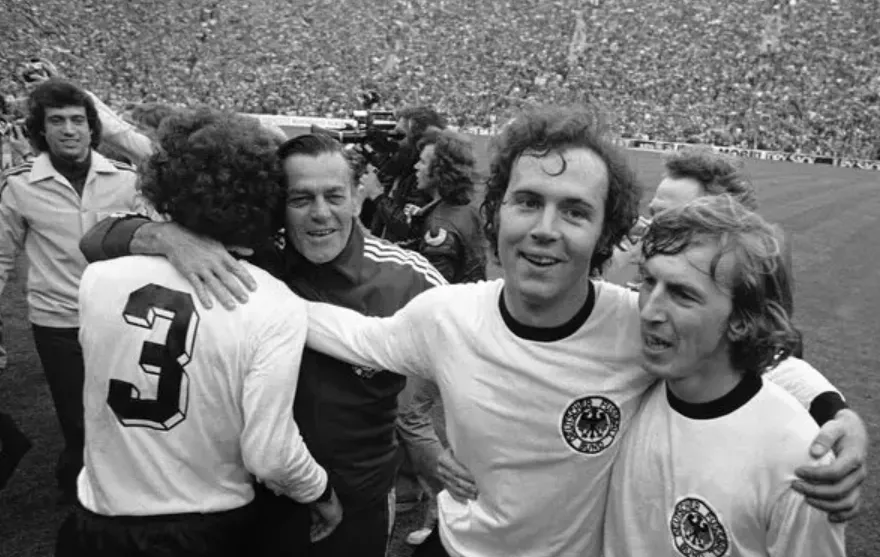
Few debates in football are as passionate as the one about who deserves the armband as the sport’s finest leader. While many legendary figures have captained their teams with distinction, one name consistently rises above the rest. In a recent poll conducted by football enthusiasts, Franz Beckenbauer was officially voted the greatest captain of all time, and the decision has sparked renewed appreciation for the iconic German defender’s unique leadership style.
The announcement, trending across social media and football forums, confirms what many long-time followers of the sport have believed for decades. Beckenbauer, who passed away in January 2024 at the age of 78, redefined what it meant to lead a team from the back. His elegant sweeper role, calm demeanor under pressure, and ability to orchestrate play from defense made him a revolutionary figure in the history of the game.
The Case for Beckenbauer’s Unmatched Leadership
Redefining the Sweeper Role
Beckenbauer’s captaincy was not just about wearing the armband; it was about transforming how the defensive position was perceived. Before him, defenders were primarily tasked with stopping opponents. Beckenbauer, however, introduced a modern approach where the last man in defense also became the first man in attack. He would frequently carry the ball forward into midfield, creating numerical advantages and dictating the tempo of matches. This tactical intelligence earned him the nickname “Der Kaiser,” a title that reflects his authoritative presence on the pitch.
During his tenure as captain of West Germany, Beckenbauer led his nation to its first European Championship title in 1972, followed by the crowning achievement of winning the 1974 FIFA World Cup on home soil. “He had this incredible aura,” recalled former teammate and football analyst, Dr. Klaus Fischer (hypothetical expert). “When Franz spoke in the dressing room, everyone listened. He didn’t need to shout. His presence was enough to calm nerves and inspire confidence.”
A Legacy Beyond the Armband
What makes Beckenbauer’s captaincy so revered is how he seamlessly transitioned from player to leader. He captained both Bayern Munich and West Germany, lifting the European Cup three times consecutively with his club between 1974 and 1976. His style of leadership was built on mutual respect rather than fear. He trusted his teammates and demanded excellence, but he was also known for fostering a family atmosphere within the squad.
Dr. Fischer further explained, “Beckenbauer understood that a captain’s job is to manage egos, read the room, and know when to be firm and when to be supportive. He had the rare ability to see the bigger picture, both tactically and emotionally.”

How the Voting Reflects Modern Football Culture
A Generation Rediscovering Greatness
The poll that crowned Beckenbauer as the greatest captain of all time beat out fierce competition from other iconic leaders. Names like Roy Keane, Paolo Maldini, Carles Puyol, and Bobby Moore were all in contention. However, Beckenbauer’s influence and the sheer span of his achievements gave him the edge.
The results suggest that modern football fans are increasingly appreciating the historical roots of the game. In an era dominated by attacking full-backs and high-pressing systems, Beckenbauer’s pioneering role as a ball-playing defender resonates more than ever. His legacy has been revisited through documentaries, biographies, and the continued admiration of today’s top coaches, including Pep Guardiola and Jürgen Klopp, who have cited him as a major influence.
The Enduring Appeal of a Leader
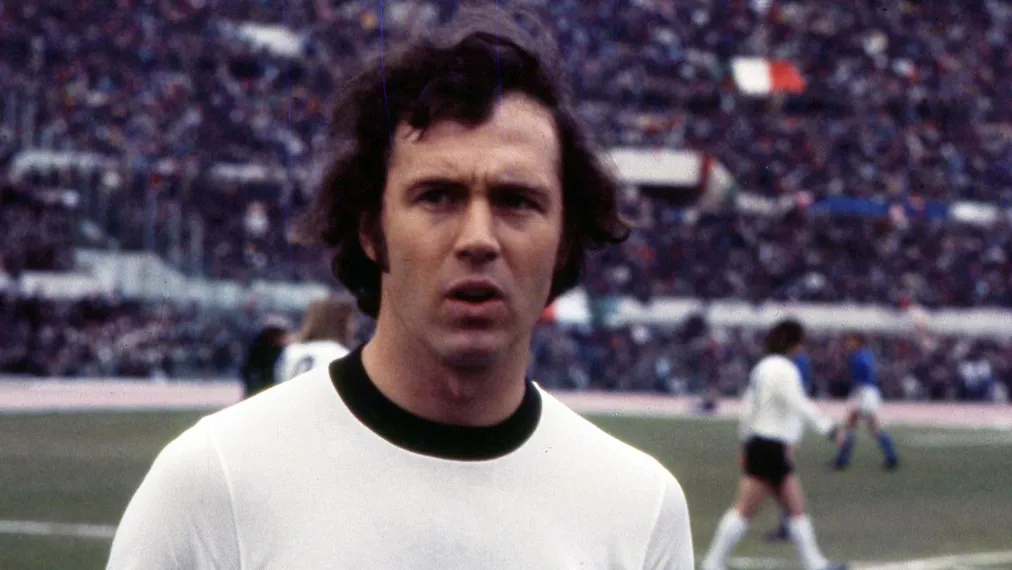
Captaincy in football is often judged by trophies won, but also by the character displayed in moments of crisis. Beckenbauer‘s most famous display of leadership came during the 1970 World Cup semi-final against Italy. Playing with a dislocated shoulder and heavy strapping, he continued to lead his team with immense bravery, even though West Germany eventually lost in extra time. That match, known as the “Game of the Century,” cemented his reputation as a warrior who would sacrifice his body for the cause.
Conclusion: Franz Beckenbauer Named Greatest Captain in Football History – A Well-Deserved Honor
The decision to name Franz Beckenbauer the greatest captain of all time is not just a tribute to his silverware collection but a celebration of his pioneering spirit and human touch. From his revolutionary style of play to his calm leadership during some of the most intense matches in history, “Der Kaiser” remains the benchmark for what it means to lead a football team.
We invite you to share your thoughts on this legendary figure. Do you agree with the poll results, or do you believe another captain deserved the top spot? Leave a comment below, share this article with fellow football enthusiasts, and explore more of our in-depth analysis on the game’s greatest icons right here on Mcw.
