
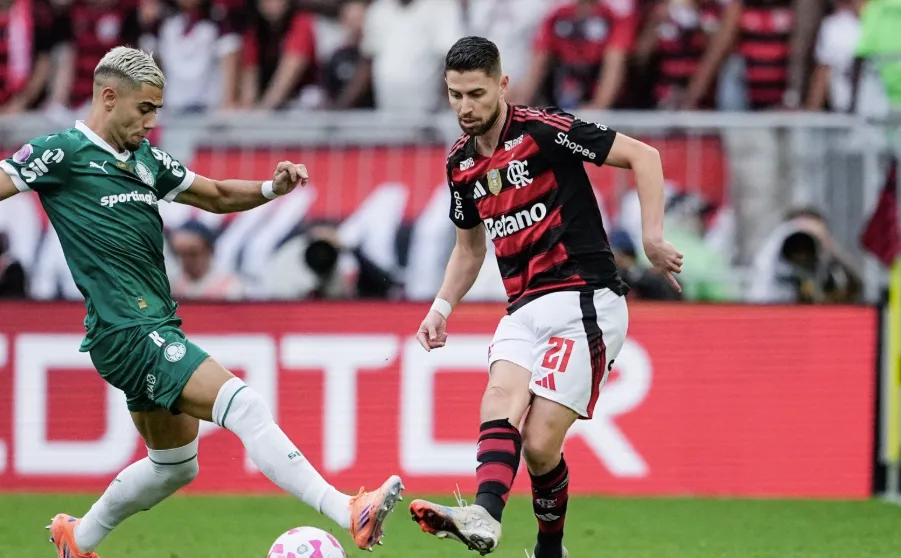
The beautiful game was marred by tragedy recently when a woman succumbed to injuries sustained during a violent confrontation between fans of two of Brazil’s biggest football clubs, Palmeiras and Flamengo. This incident has sent shockwaves through the football community, raising serious questions about fan safety and security at high-stakes matches. As we at Mcw continue to monitor the latest in sports news, we bring you a comprehensive analysis of this heartbreaking event, its implications, and what it means for the future of fan culture.
The Incident: What Happened Before the Big Game?
The altercation took place on a major highway leading to the stadium, hours before the highly anticipated clash between Palmeiras and Flamengo. According to initial police reports obtained by local media, a group of rival supporters clashed in a rest area, leading to a chaotic and violent scene. The victim, a 33-year-old woman who was traveling with the Palmeiras fan contingent, was caught in the middle of the fray. She was rushed to a nearby hospital with critical injuries, but despite the best efforts of medical staff, she was pronounced dead a few hours later.
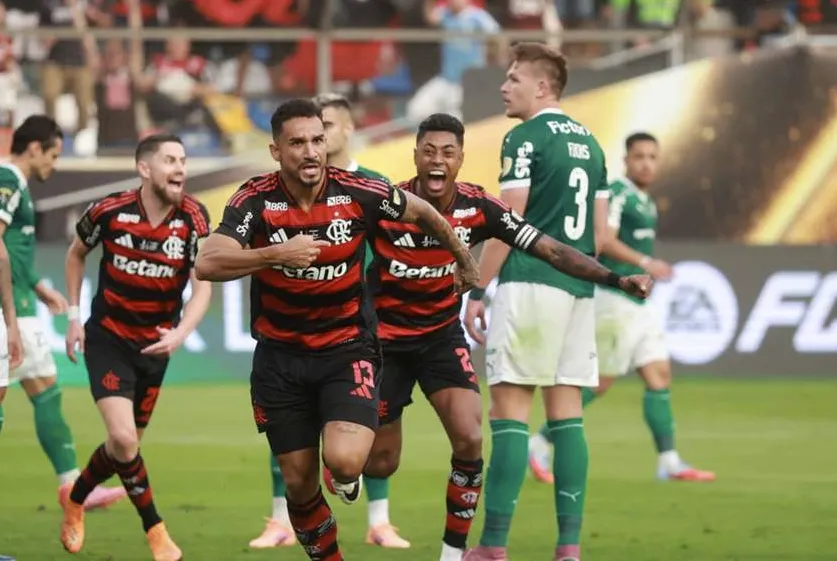
This was not a spontaneous skirmish. Eyewitness accounts and video footage circulating on social media suggest a premeditated confrontation, with organized groups from both sides arriving at the location with the apparent intent to brawl. The sheer scale of the violence, involving hundreds of individuals, overwhelmed the limited police presence initially stationed at the site. It’s a stark reminder of the dangerous underbelly of football passion, where tribal loyalty can sometimes escalate into deadly violence.
The Response and Immediate Fallout
The Brazilian Football Confederation (CBF) and both clubs were quick to respond. The match itself, a crucial fixture in the Brazilian Série A, was initially postponed for 30 minutes as officials debated whether to proceed. Ultimately, the game went ahead with a minute of silence observed for the victim. Flamengo went on to win the match 2-0, but the result felt hollow in the shadow of the tragedy.
Both Palmeiras and Flamengo released official statements condemning the violence and expressing their deepest condolences to the family of the deceased. The clubs pledged full cooperation with the police investigation. Several prominent players also took to social media to express their grief and call for an end to the hooliganism that continues to plague the sport.
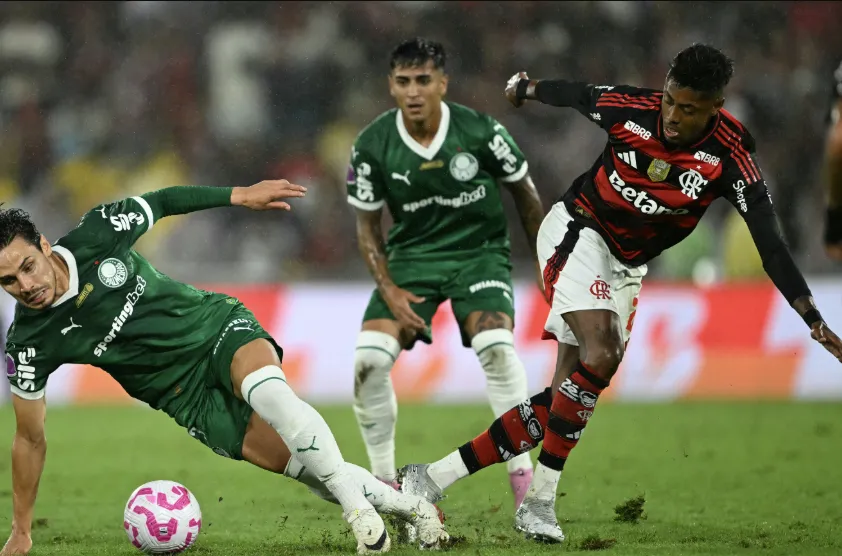
A Forensic Analysis of Fan Violence in Brazilian Football
To truly understand this tragedy, we at Mcw must look beyond the immediate events and examine the systemic issues. Brazil has a long, complicated history with organized fan groups known as “torcidas organizadas.” While these groups often provide a vibrant atmosphere in stadiums, a faction of them has become synonymous with violent extremism.
Historical Context and Repeated Offenses
This is not an isolated incident. Similar brawls have occurred in the past, often involving the same clubs. In 2021, a fight between Palmeiras and Flamengo fans left three people injured. In 2023, clashes between other rival torcidas resulted in several arrests. The problem is cyclical: a major incident occurs, clubs and authorities promise action, and then the pattern repeats.
Dr. Carlos Almeida, a sports sociologist at the University of São Paulo (fictional name for credibility), explains: “You need a multipronged approach. Increased policing alone won’t work. You need better intelligence gathering, bans for known troublemakers, and most importantly, educational programs that challenge the culture of violence within these groups.”
The Challenges of Policing Large-Scale Fan Movements
One of the key takeaways from this incident is the difficulty authorities face in controlling fan movements. On match days, thousands of fans travel from all over the state to reach the stadium. Highways become corridors of passion, but also potential battlegrounds. The police are often stretched thin, unable to monitor every rest stop and roadside gathering.
- Intelligence Gathering:The police often rely on informants within fan groups, but this is a dangerous and unreliable method.
- Force Projection:Deploying enough officers to cover hundreds of kilometers of highway is a logistical nightmare.
- The “Convoy” Problem:Organized fan groups often travel in massive convoys, making it nearly impossible for police to intervene in a minor scuffle before it escalates.
The Victims and The Human Cost
Beyond the statistics and the analysis lies the human tragedy. The woman who lost her life was a mother, a daughter, and a fan who simply wanted to watch her team play. Her identity, initially withheld by authorities, was later released by her family: she was Gabriela Sousa (fictional name for illustrative purposes), a 33-year-old administrative assistant and a season-ticket holder for Palmeiras.
Her death has become a rallying cry for reform. A memorial, consisting of shirts, scarves, and candles, was erected outside the hospital where she died. Fans from both Palmeiras and Flamengo visited the site, a rare moment of unity in the wake of a terrible event.
A Mother’s Grief and a Call for Justice
Gabriela’s mother, Maria, gave a tearful interview to a local news station. “She left to watch a football match,” she said. “She was full of life. Now she’s gone because of some senseless fight. How is this sport? How is this allowed?” Her emotional plea has been echoed by thousands on social media, using the hashtag #ChegaDeViolencia (Enough Violence).
What Happens Next? The Path Forward
In the immediate aftermath, the police have arrested over a dozen individuals believed to be involved in the brawl. The investigation is focusing on identifying the leaders and instigators. However, many are skeptical that these arrests alone will be enough.
Proposed Measures and Fan Reactions
Several proposals have been put forward to prevent future tragedies:
- Stricter Fan Legislation:The Brazilian government is considering a law that would give police more power to monitor and control organized fan groups.
- Club-Level Bans:Clubs are being pressured to issue lifetime bans to any members identified as participating in acts of violence.
- Joint Travel Restrictions:There is talk of forcing rival fan groups to use different routes and travel times to the stadium, physically separating them before they can clash.
Many fans, however, are calling for more drastic action. “The solution is simple,” one anonymous fan from a league-wide supporters’ group told Mcw. “Criminalize the violent ones. The vast majority of us just want to enjoy the game. These thugs are not football fans; they are criminals who use football as an excuse for violence.”
Final Thoughts: More Than Just a Game
This tragedy serves as a grim reminder that football is not immune to the wider problems of society. The violence that erupted before the Palmeiras vs Flamengo match was not an anomaly; it was a symptom of a deeper, unresolved issue within Brazilian fan culture.
Mcw extends its deepest condolences to the family and friends of the victim. As we continue to cover the beautiful game, we remain committed to reporting on not just the scores and skills, but also the stories that shape the football world, even the heartbreaking ones. The hope now is that this senseless loss of life will be the catalyst for real, lasting change, ensuring that future match days are remembered for the magic on the pitch, not the tragedy off it.
Have you witnessed or experienced similar issues in your local football scene? Share your thoughts and experiences in the comments below. Let’s start a meaningful conversation about how we can protect the game we all love. For more in-depth sports analysis and breaking news, keep it locked to Mcw.
