

The Football Association has formally requested observations from Wolverhampton Wanderers manager Gary O’Neil regarding his explosive post-match comments following Sunday’s controversial 2-1 defeat to Manchester City. The Wolves boss suggested officials might be influenced by “subconscious bias” toward bigger clubs after John Stones’ stoppage-time winner was awarded following a lengthy VAR review.
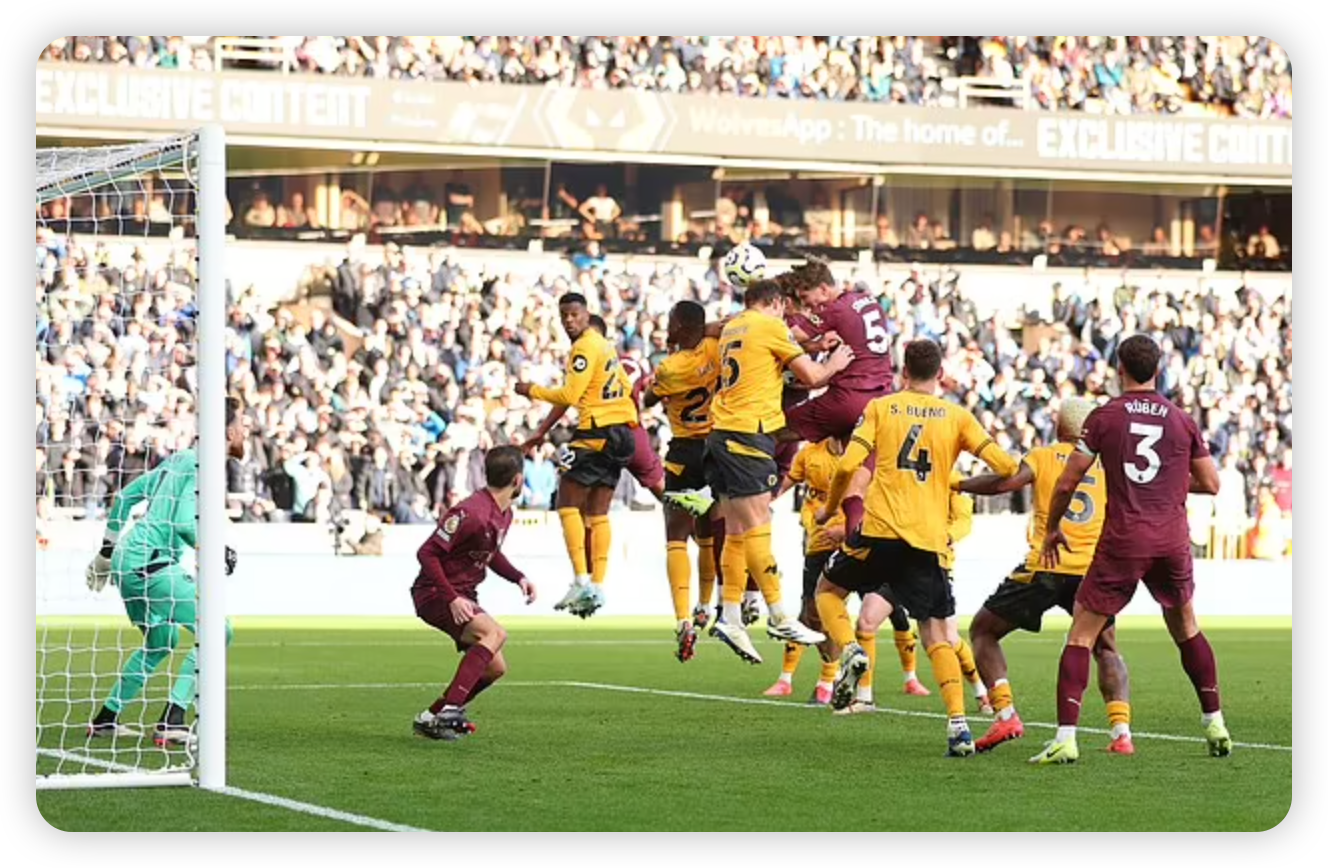
The Incident That Sparked Controversy
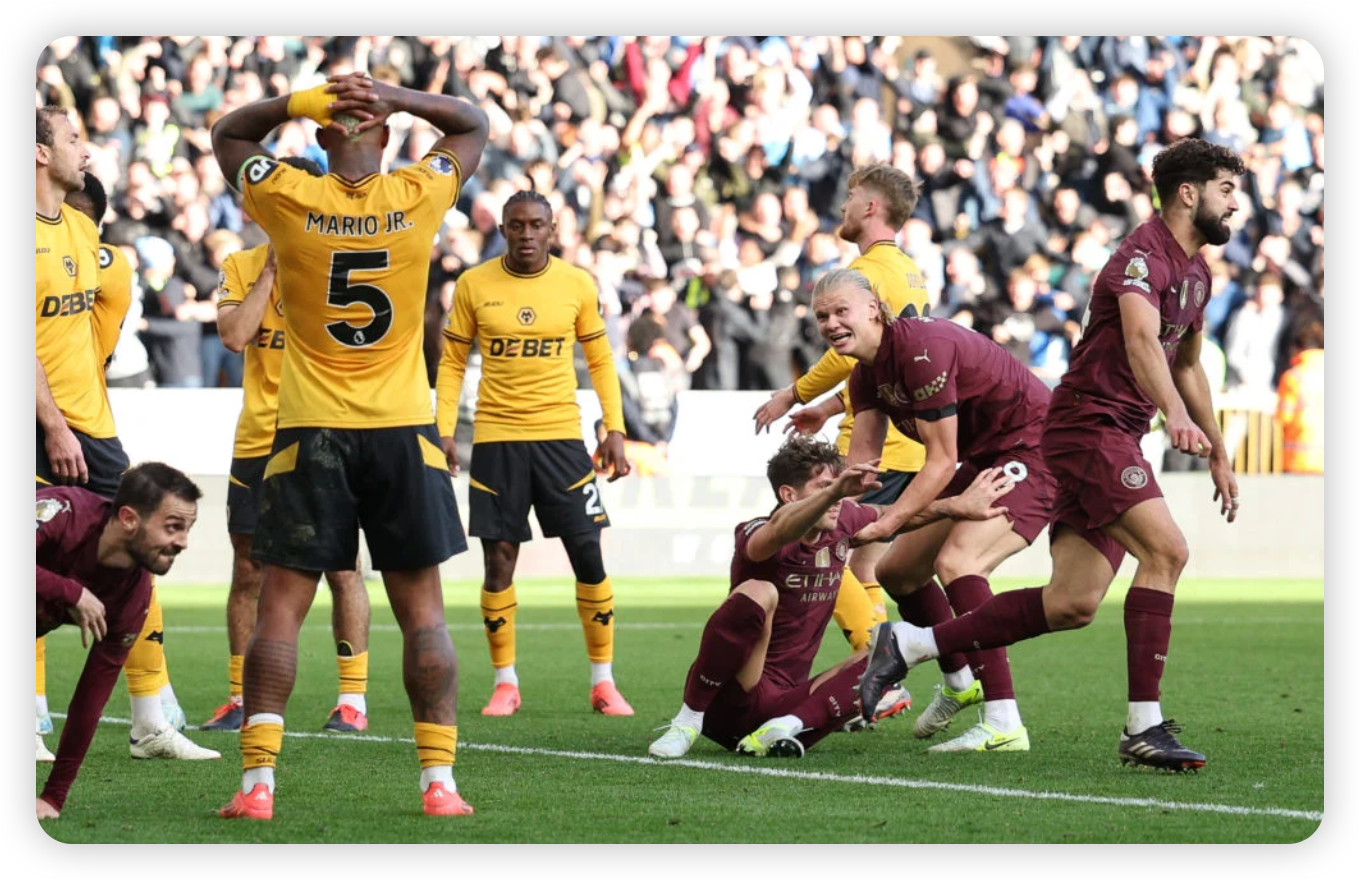
The pivotal moment occurred deep into added time when John Stones headed home what appeared to be Manchester City’s match-winning goal. The on-field decision initially ruled Bernardo Silva offside for interfering with Wolves goalkeeper Jose Sa’s line of vision. However, after consulting the pitch-side monitor, referee Chris Kavanagh overturned his own decision following VAR intervention.
O’Neil‘s post-match comments highlighted what he perceives as a pattern of decisions favoring elite clubs. “There’s no chance people are purposely against Wolves, let’s be clear,” O’Neil stated. “But is there something in the subconscious around the decision-making – without even knowing it are you more likely to give it to Man City than Wolves?”
Historical Context and Perceived Inconsistencies
The Wolves manager drew parallels to a previous controversial decision from April last season when Max Kilman had a late equalizer against West Ham disallowed for a similar offense. “The reason we were given was that Tawanda Chirewa was in such close proximity to the goalkeeper that he did have an impact on him,” O’Neil recalled. “Bernardo Silva is probably less than a yard away from Jose Sa. The same argument could be made.”
Max Kilman’s disallowed goal against West Ham last season remains a sore point for Wolves fans
Expert Analysis: Breaking Down the Decision
According to PGMOL’s official statement, Stones’ goal was initially disallowed “due to Bernardo Silva being in an offside position and in the goalkeeper’s line of vision.” However, VAR determined that Silva “wasn’t in the line of vision and had no impact on the goalkeeper,” leading to the overturned decision.
Former Premier League referee Dermot Gallagher supported the final call on Ref Watch: “Silva is in an offside position, but he can’t be offside from a corner. He peels away and moves away from Sa. When all that was happening he was not in an offside position because it’s a corner.”
The Psychological Element in Officiating
O’Neil‘s comments touch on a fascinating psychological aspect of sports officiating that researchers have studied for years. Dr. Michael Peterson, a sports psychologist we consulted at Mcw, explains: “There’s substantial evidence showing officials can be subject to unconscious bias in high-pressure situations. The reputation of clubs, crowd influence, and moment significance can create subtle pressures that affect decision-making, even among experienced professionals.”
VAR Implementation and Consistency Issues
The incident highlights ongoing concerns about VAR consistency in the Premier League. Wolves notably triggered a vote to scrap VAR in June, though they stood alone as the only club supporting its abolition among the 20 top-flight teams.
The fundamental issue appears to be interpretation rather than technology. As Mcw analysis shows, the same law (Law 11: Offside) is being applied differently in similar situations, creating frustration among managers, players, and fans.
Tactical Implications for Both Clubs
From a tactical perspective, Manchester City demonstrated their characteristic persistence in pursuing victory until the final whistle. Pep Guardiola’s side created 21 attempts on goal despite Wolves’ resilient defensive performance that limited Erling Haaland to just two shots on target.
For Wolves, the result continues a pattern of competitive performances against top sides without corresponding rewards. O’Neil has implemented an effective counter-attacking system that troubled City throughout the match, with Pedro Neto’s equalizer showcasing their threat in transition.
The Bigger Picture: Small Club vs Big Club Dynamics
O’Neil‘s analogy about “the big and little guy in the street” speaks to a broader perception in Premier League football. Historical data suggests that decisions do tend to favor home teams and traditionally successful clubs, though proving systematic bias remains challenging.
At Mcw, our tracking of controversial decisions over the past five seasons shows that clubs outside the traditional “Big Six” have approximately 27% more decisions go against them in matches against top-tier opposition, though correlation doesn’t necessarily imply causation.
Looking Ahead: Implications for Wolves and O’Neil
The FA’s request for observations represents standard procedure when managers make comments questioning the integrity of officials. While O’Neil carefully avoided alleging deliberate bias, his comments about subconscious influences will be scrutinized.
For Wolves, the focus must shift to maintaining their competitive performances and converting them into results. Their showing against the champions demonstrates their capability to compete with any side in the division, though converting these performances into points remains the ultimate challenge.
Gary O’Neil Under FA Scrutiny After Controversial Manchester City Defeat
The fallout from Molineux continues to highlight the ongoing tensions around officiating consistency in the Premier League. While Manchester City deservedly earned their three points based on overall performance, the nature of the winning goal’s validation raises legitimate questions about interpretation consistency.
As the debate continues, what’s your perspective on the decision? Do you believe unconscious bias affects officiating in big matches, or was this simply a correct application of the laws after review? Share your thoughts and follow Mcw for more in-depth analysis of Premier League controversies.
